
If you’re considering a career in medical assisting, certification can seem like one of the more confusing parts of the process. You may see job postings that prefer it, others that require it, and some that do not mention it at all.
So, do medical assistants need certification? The answer depends on where you live and where you hope to work. Training and certification are also two different things, and understanding that difference can help you make a more informed choice about your education.
Is Certification Required for Medical Assistants?
In most states, medical assistants are not required to be certified. According to the U.S. Bureau of Labor Statistics, some states have specific requirements, while employers may also prefer or require certification.
That means medical assistant certification can still matter even when it is not legally required. An employer may use a credential as one way to confirm that an applicant has met certain education or testing standards.
Certification vs. Completing a Medical Assistant Program
Finishing a medical assistant training program and earning a professional credential are separate steps.
A training program teaches the clinical and administrative skills used in medical settings. After completing an eligible program, a graduate may be able to apply for a certification exam. Passing that exam leads to a credential from the organization that administers it.
Specific medical assistant certification requirements depend on the credential. For example, AAMA has its own eligibility rules for the CMA (AAMA) exam, while NHA sets separate requirements for its CCMA exam.
Why Some Employers Prefer Certified Medical Assistants
Certification can give employers an important way to evaluate a candidate’s training and education.
For someone applying for a first medical assistant role, a credential may help show that their knowledge has been measured against standards set by a recognized certification organization. Employer preferences still vary, so it can be helpful to review job postings in your area.
What Employers Look for Beyond Certification
A credential is only one part of the picture. Employers may also look for:
- Hands-on clinical skills
- Clear, respectful communication
- Reliability and professionalism
- Comfort working with patients
- Attention to detail
- Experience in a healthcare setting
Internships and supervised practice can help students develop these skills before they begin applying for jobs.
Common Medical Assistant Certifications
There are several credentials available to medical assistants. Two common examples include the Certified Medical Assistant credential offered through AAMA and the Certified Clinical Medical Assistant credential offered through NHA. Other organizations also offer recognized medical assisting credentials.
Because each credential has its own eligibility rules, exam, and renewal requirements, students can compare their options before deciding which path fits their goals.
Does Certification Affect Hiring or Pay?
Certification may help with hiring when an employer prefers or requires a specific credential. However, CMA certification does not necessarily guarantee a job, higher pay, or a particular career outcome.
Pay can depend on many factors, including location, experience, workplace, responsibilities, and employer.
How State Requirements Can Differ
Medical assisting rules are not the same everywhere. Some states set specific education, training, certification, or task-related requirements.
Before choosing a program or credential, check the rules in the state where you plan to work. You can also ask a school admissions team how local requirements may affect your options.
What to Look for in a Medical Assistant Training Program
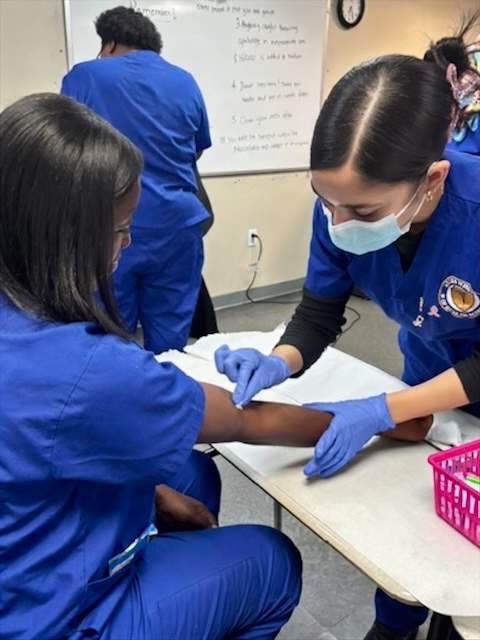
The right program can help students build both knowledge and confidence before entering the workplace. Look for hands-on practice, experienced instructors, exposure to real healthcare settings, and guidance on certification options.
Allen School of Health Sciences offers accredited medical assistant training with hands-on learning and internship experience. Graduates can also move forward with eligible certification exams after completing the program.
Questions to Ask Before Choosing a Certification Path
If you are researching how to become a Certified Medical Assistant, a few simple questions can help you get a solid start:
- Is certification required in the state where I plan to work?
- Which credentials do local employers prefer?
- Will the program prepare me for the type of work I want to do?
- Which certification exams may I be eligible to take after graduation?
- What support is available as I prepare for employment?
These questions can give you a clearer picture of what to expect from training, certification, and the hiring process.
Start Your Medical Assistant Training
Allen School of Health Sciences helps students build the clinical, administrative, and professional skills used in medical assisting through hands-on training and internship experience. With campuses in Brooklyn and Jamaica, NY, as well as Phoenix, AZ, our licensed and accredited program can be your first step towards a healthcare career.
If you’re ready to learn more about becoming a medical assistant, contact Allen School to explore the program today.