
Why Class Size Matters
Healthcare education is active by nature. Students spend time practicing procedures, learning how clinics operate, and developing professional communication skills. In smaller classes, that learning tends to feel more personal and less rushed.
When instructors work with fewer students at a time, they can notice when someone is struggling, slow down when needed, and make sure concepts are fully understood before moving on. These small class sizes often lead to stronger engagement and a learning pace that feels manageable rather than overwhelming.
Smaller groups also encourage participation. Students are more likely to speak up, practice skills, and stay involved when they don’t feel lost in a crowd.
Let’s take a closer look at some of the biggest benefits of smaller class sizes in MA training.
Instructor Access
Access to instructors is one of the most noticeable differences in smaller classes. With fewer students competing for attention, instructors can spend more time answering questions, reviewing techniques, and offering individual feedback.
This kind of access can be especially helpful when learning clinical skills that require repetition and reassurance. Instead of wondering whether they’re doing something correctly, students can check in, adjust, and move forward with confidence. Over time, those small interactions add up to a clearer understanding and stronger relationships between students and instructors.
Lab Quality
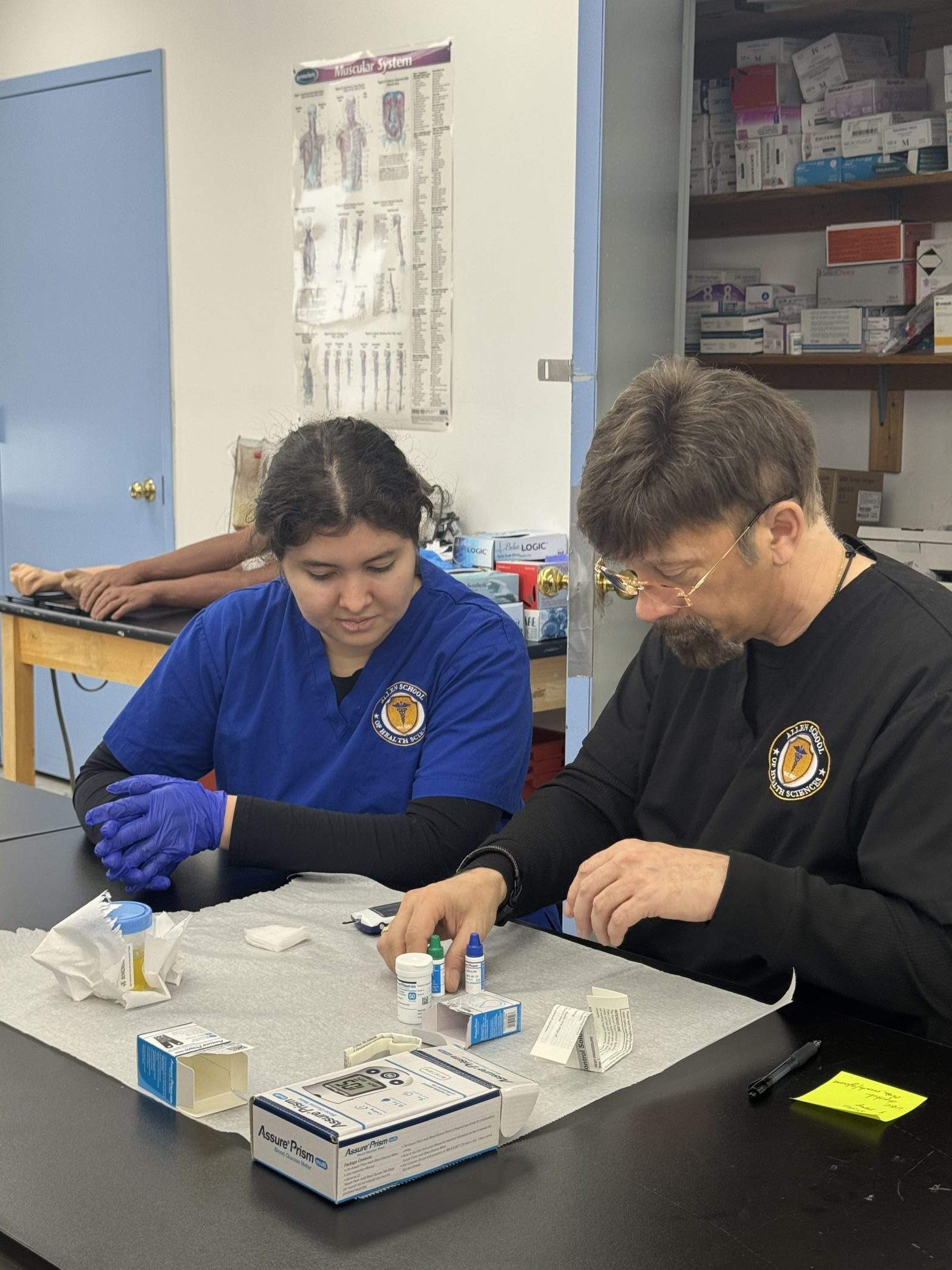
Lab sessions are where theory turns into practice. Smaller classes often mean more hands-on time with equipment, closer supervision, and fewer interruptions during skill practice.
Students may have more opportunities to repeat procedures, observe demonstrations up close, and receive immediate guidance. This creates a learning environment where mistakes feel like part of the process rather than something to rush past. These kinds of healthcare classroom benefits are especially important for students who learn best by doing rather than listening alone.
Student Confidence
Confidence grows through practice and support. In smaller classes, students often feel more comfortable trying new skills, asking questions, and learning from feedback.
That sense of comfort can make a real difference. Instead of worrying about keeping up, students can focus on improving. As confidence builds in the classroom and lab, it often carries over into externships and clinical settings, where feeling prepared and self-assured matters.
Allen School Advantage
At the Allen School of Health Sciences, small class sizes are treated as a priority because they support meaningful learning. The goal isn’t speed – it’s understanding, skill development, and student readiness.
Classes are led by instructors with real-world healthcare experience, and smaller groups allow those instructors to share practical insights, adjust instruction, and support students more personally. This approach helps create consistent MA student support, both academically and professionally.
Students also benefit from hands-on learning environments that reflect real healthcare settings, along with access to student services and career guidance. Rather than feeling like they’re navigating the process alone, students have a team available to help them stay on track and build confidence.
FAQs
Do smaller classes really make a difference in medical assisting training?
Many students find that smaller classes allow for more personalized instruction, clearer feedback, and better hands-on learning experiences.
Are small classes better for hands-on skills?
Smaller groups often mean more practice time, closer instructor supervision, and fewer distractions during lab sessions.
Will I still work with others in a small class?
Yes. Students still collaborate, practice teamwork, and learn alongside peers, just in a more focused environment.
Does class size affect preparation for externships?
Smaller classes can help students feel more confident and prepared before transitioning into real-world clinical settings.
Unlock Your Potential with Small Class Sizes!
To choose the best medical assisting program for your goals, you’ll need to do more than just review course lists. The learning environment matters, and class size can shape how supported and confident you feel throughout your training. At Allen School of Health Sciences, maintaining smaller classes reflects a commitment to hands-on learning, instructor engagement, and student growth.
If you’re ready to learn more about what medical assisting training could look like for you, the Allen School team is available to answer questions and help you explore your options. Contact our team today to learn more!