
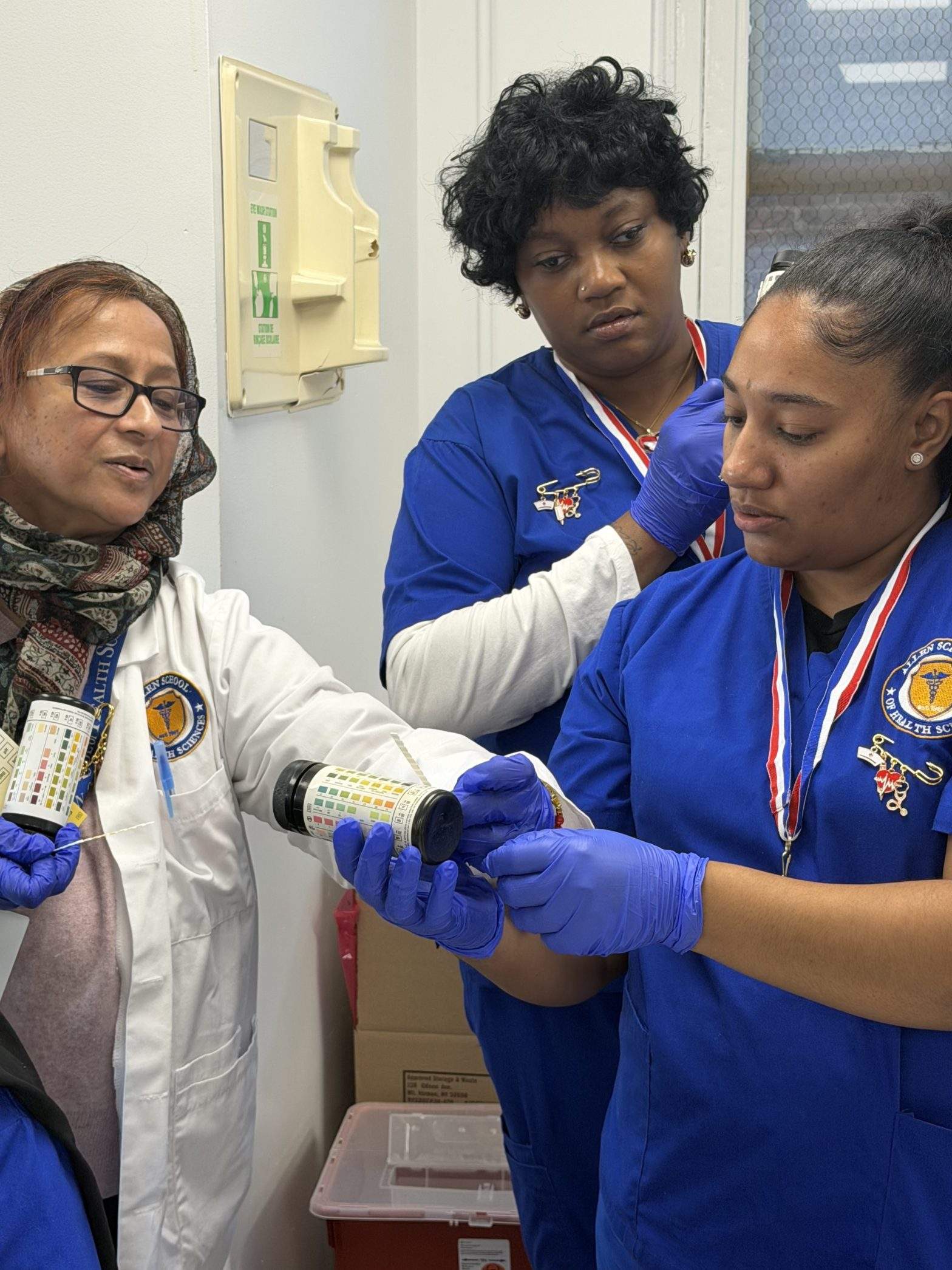
A career in medical assisting offers more than a stable job; it provides a foundation for lifelong growth in healthcare. Many people begin their professional journey as medical assistants and later move into nursing, administration, or management roles. With hands-on training, strong communication skills, and an understanding of both clinical and administrative work, medical assistants have the versatility to shape their futures in countless ways.
If you’re curious about how far this path can take you, it all starts with understanding the many directions your medical assistant career path can lead.
The Medical Assistant Role: A Launchpad for Careers
Medical assistants are often the heart of outpatient care. They support physicians, nurses, and patients through both clinical and administrative tasks: checking vitals, updating health records, scheduling appointments, and keeping clinics organized. Because they work across so many areas of healthcare, medical assistants gain a unique, well-rounded perspective of how medical teams function.
This blend of patient interaction and office coordination builds a strong professional foundation. It also helps new graduates explore where their interests lie, whether that’s hands-on patient care, behind-the-scenes operations, or leadership. For many, medical assisting is the first step toward a long, meaningful career in healthcare.
Entry-Level to Advanced Opportunities
Medical assisting is one of the few healthcare roles where you can start with a single credential and grow in multiple directions. Early roles might include working in family practices, urgent care centers, or specialty clinics such as cardiology or pediatrics.
With time and experience, you can explore a variety of MA advancement opportunities, such as:
- Clinical Team Lead or Senior Medical Assistant: Oversee other MAs, coordinate patient flow, and ensure clinical protocols are followed.
- Practice or Office Manager: Combine administrative knowledge and leadership skills to manage staff, budgets, and patient services.
- Medical Office Trainer or Instructor: Teach new MAs or help onboard clinical staff using your experience from the field.
- Specialty Technician: Work in focused areas like ophthalmology, orthopedics, or dermatology, developing expertise in specialized procedures.
- Healthcare Administrator or Coordinator: Support larger medical operations such as hospital departments, insurance companies, or outpatient networks.
- Patient Care Navigator: Help patients understand their treatment plans, coordinate appointments, and connect with community health resources.
Each role builds on the foundation of empathy, organization, and clinical understanding gained from your early medical assistant experience.
Transitioning from MA to Nursing or Administration
For those who dream of advancing even further, many medical assistants transition into nursing or healthcare management. Moving from medical assistant to nurse is a common next step for people who love direct patient care. The clinical exposure and patient interaction skills gained as an MA make nursing school a natural progression.
Others may find their passion in healthcare administration, where they can shape policies, manage teams, and improve systems. The ability to multitask, maintain records, and communicate clearly with patients and staff translates seamlessly into administrative roles.
In both cases, medical assisting provides the essential hands-on experience and healthcare literacy that can make these transitions smoother and more successful.
Long-Term Career Growth in Healthcare
The healthcare industry offers nearly endless opportunities for those who stay curious and committed to learning. What begins as an entry-level position can become the stepping stone to advanced roles across a range of medical environments.
Long-term MA career growth often depends on continued education, professional networking, and gaining experience in diverse settings. Some professionals choose to pursue advanced certifications, while others expand their expertise through leadership training or cross-department collaboration.
The key is staying engaged, and using each new role as a way to learn, refine your skills, and take on more responsibility. Over time, medical assistants can evolve into mentors, supervisors, and advocates for quality care.
How Allen School Training Opens Doors
At the Allen School of Health Sciences, students receive practical, real-world preparation that extends beyond the classroom. Courses are led by instructors with experience in the field, helping students understand how healthcare actually works, both technically and professionally. Through hands-on learning and exposure to real clinical environments, students build the confidence and adaptability that healthcare employers value.
The Allen School’s healthcare-focused approach encourages students to think beyond graduation. Whether your goal is to work in a clinic, grow into management, or one day return to school for nursing, your training provides the foundation for that journey.
Your future in healthcare starts with one step – and with the right guidance, that first step can open doors to a lifetime of opportunity. Contact the Allen School of Health Sciences today to learn more about how our programs can help you start strong and keep growing.