Telehealth Growth
Telehealth didn’t appear overnight, but its use has expanded rapidly in recent years. Clinics and medical offices now rely on virtual visits to improve access, reduce wait times, and support patients who may not be able to come in person. While providers lead medical decisions, telehealth depends on a team to manage communication, technology, and patient flow.
That’s where Medical Assistants and telehealth intersect. Medical Assistants help ensure virtual visits are organized, documented, and patient-friendly, allowing providers to focus on care while technology stays out of the way.
MA Telehealth Skills
Medical Assistants supporting telehealth bring many of the same strengths they use in traditional settings, with added emphasis on digital communication. Their role often includes helping patients prepare for appointments, guiding them through basic technology steps, and ensuring information is accurate before and after the visit.
Strong communication is especially important in virtual care. Medical Assistants may help confirm patient details, collect intake information, or clarify instructions when visual cues are limited. These skills help reduce confusion and keep virtual visits running smoothly.
In many settings, Medical Assistants also help coordinate follow-ups, referrals, or next steps after a telehealth appointment, providing continuity and reassurance for patients.
Digital Tools Used
Telehealth relies on a range of digital tools, and Medical Assistants are often the ones helping manage them. Common platforms may include electronic medical records, video conferencing software, secure messaging systems, and patient portals.
Working with these tools requires comfort with technology and attention to detail. Medical Assistants may help upload documents, verify patient information, or troubleshoot minor issues that come up during virtual visits. These responsibilities highlight the growing importance of digital healthcare skills in everyday clinical work.
As healthcare continues to adopt new platforms, adaptability and willingness to learn become just as valuable as technical knowledge.
Employers Seeking Telehealth MAs
Employers value Medical Assistants who can support both in-person and virtual care. Clinics offering telehealth look for team members who are organized, patient-focused, and comfortable navigating digital systems.
Having telehealth experience or training can make candidates more versatile, especially in settings that blend traditional appointments with virtual services. Employers often see telehealth readiness as an asset because it supports efficiency, patient satisfaction, and flexible care delivery.
As healthcare models continue to shift, Medical Assistants who understand telehealth clinical support are well-positioned to contribute across a variety of care environments.
How Allen School Prepares Students
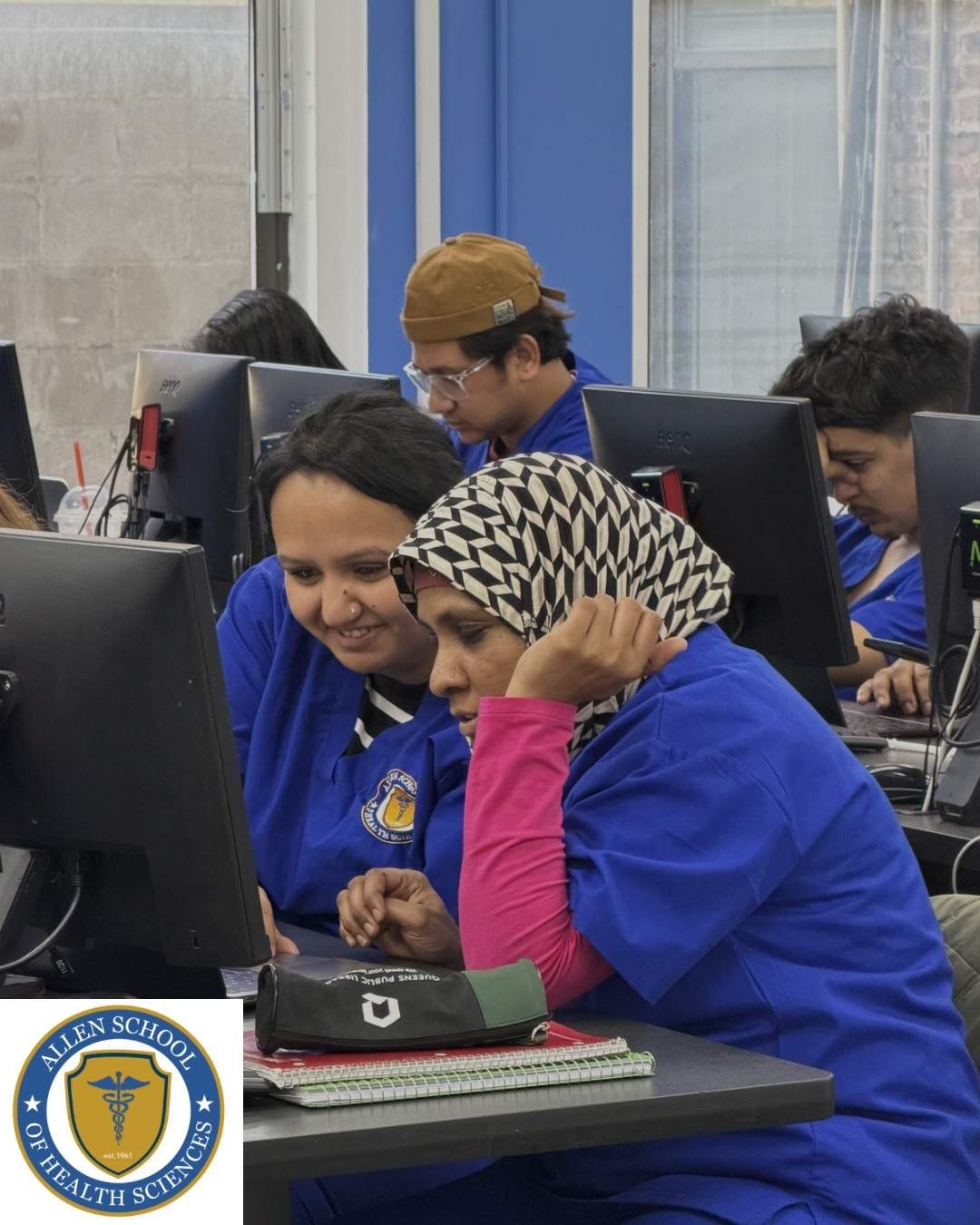
At the Allen School of Health Sciences, training reflects the realities of modern healthcare. Students learn foundational medical assisting skills while becoming familiar with the tools and workflows commonly used in today’s clinics.
Instruction is led by professionals with experience in healthcare settings, helping students understand how technology fits into patient care rather than replacing it. Through hands-on learning and guided practice, students gain confidence using electronic records, communicating professionally, and adapting to different care formats.
This approach helps students feel prepared for both traditional and telehealth-supported environments without losing sight of the human side of healthcare.
FAQs
Do Medical Assistants work directly with patients during telehealth visits?
Yes. Medical Assistants often support patients before and after virtual visits by gathering information, helping with technology setup, and coordinating follow-up care.
Will telehealth replace Medical Assistant roles?
Telehealth still relies on skilled healthcare professionals. Technology supports care delivery, but Medical Assistants remain essential for communication, organization, and patient support.
Are telehealth skills difficult to learn?
Most telehealth skills build on familiar tasks like documentation, communication, and scheduling. With training and practice, many students become comfortable quickly.
Is telehealth only used in certain specialties?
Telehealth is used across many areas of healthcare, including primary care, follow-ups, and patient education.
Empower Healthcare with Telehealth Expertise Now!
Telehealth continues to reshape how care is delivered, but it doesn’t change the heart of healthcare. Medical Assistants help keep virtual care organized, accessible, and patient-centered.
For those exploring a future in medical assisting, understanding telehealth support offers a clear view of how the role continues to grow and adapt. With the right training and guidance, Medical Assistants can confidently support care in both digital and in-person settings.
If you’re ready to learn more about how medical assisting fits into today’s healthcare landscape, the Allen School team is here to help you take the next step. Contact our team to learn more about our MA training programs today!