
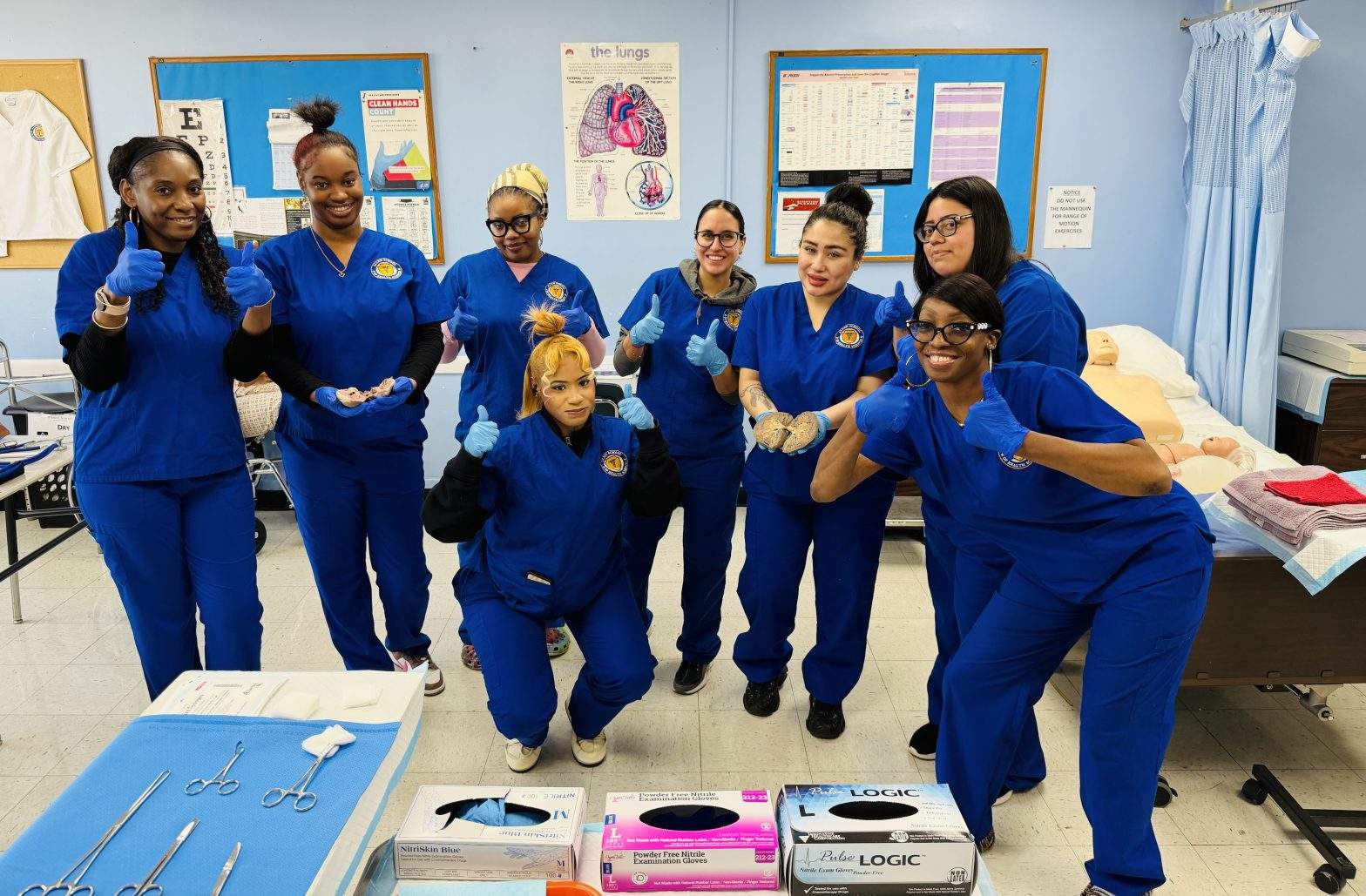
As we progress into 2026, the landscape of education and career preparation is undergoing significant shifts. For many aspiring professionals, the traditional route of higher education, often seen as the gold standard for career advancement, is being reevaluated. Those interested in becoming medical assistants are finding that trade schools offer a more efficient and effective… Continue reading Why is a Medical Assistant Trade School a Better Option than Traditional Higher Education in 2026?
Author: Robert Caruso
Becoming a Medical Assistant in 2026: Your Path to a Rewarding Career.
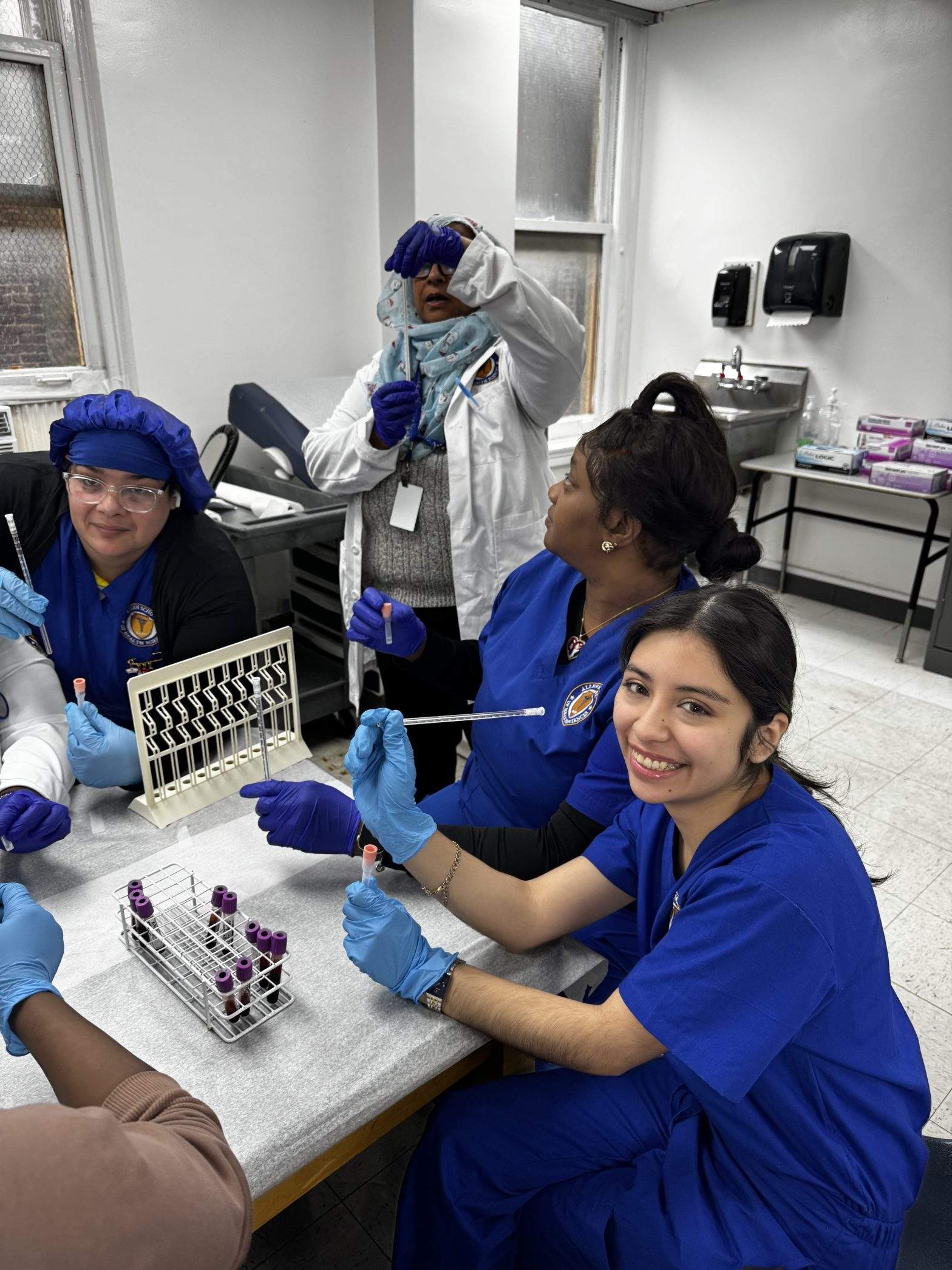
Becoming a Medical Assistant in 2026: Your Path to a Rewarding Career. In the rapidly evolving field of healthcare, becoming a medical assistant (MA) stands out as a fulfilling career choice. As we step into 2026, the demand for medical assistants continues to grow, driven by an expanding healthcare landscape, technological advancements, and a focus… Continue reading Becoming a Medical Assistant in 2026: Your Path to a Rewarding Career.
New Year’s Resolutions: Embracing a Medical Assisting Career:
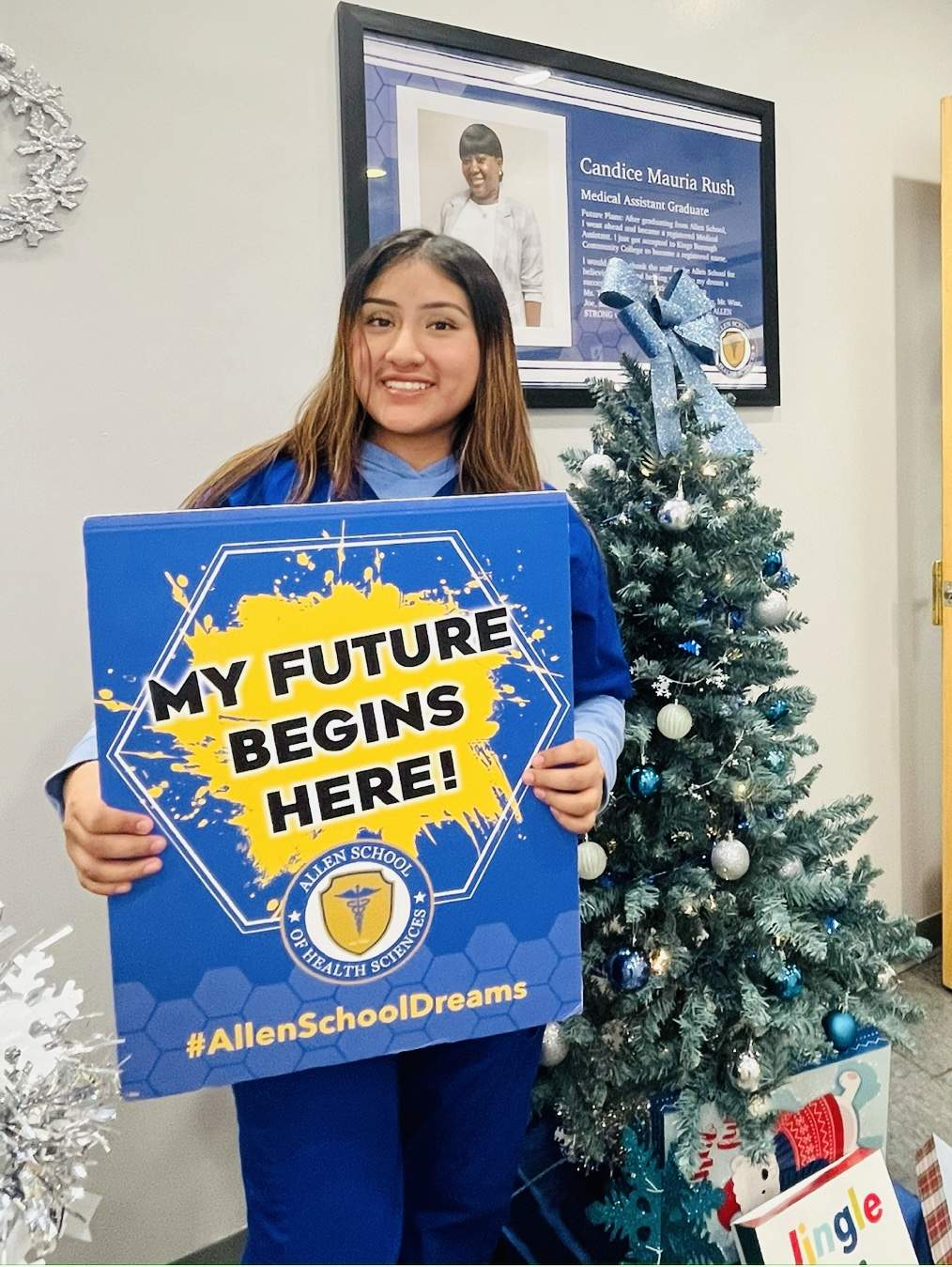
As the New Year approaches, many of us take the opportunity to reflect on our lives and set resolutions for the year ahead. If you’ve been contemplating a career change or pursuing further education, why not make this year the one where you pursue a rewarding career to become a medical assistant. Here’s why you… Continue reading New Year’s Resolutions: Embracing a Medical Assisting Career:
Reasons Students Drop Out of a Traditional College and Enroll in the Allen School of Health Sciences Medical Assistant Program:
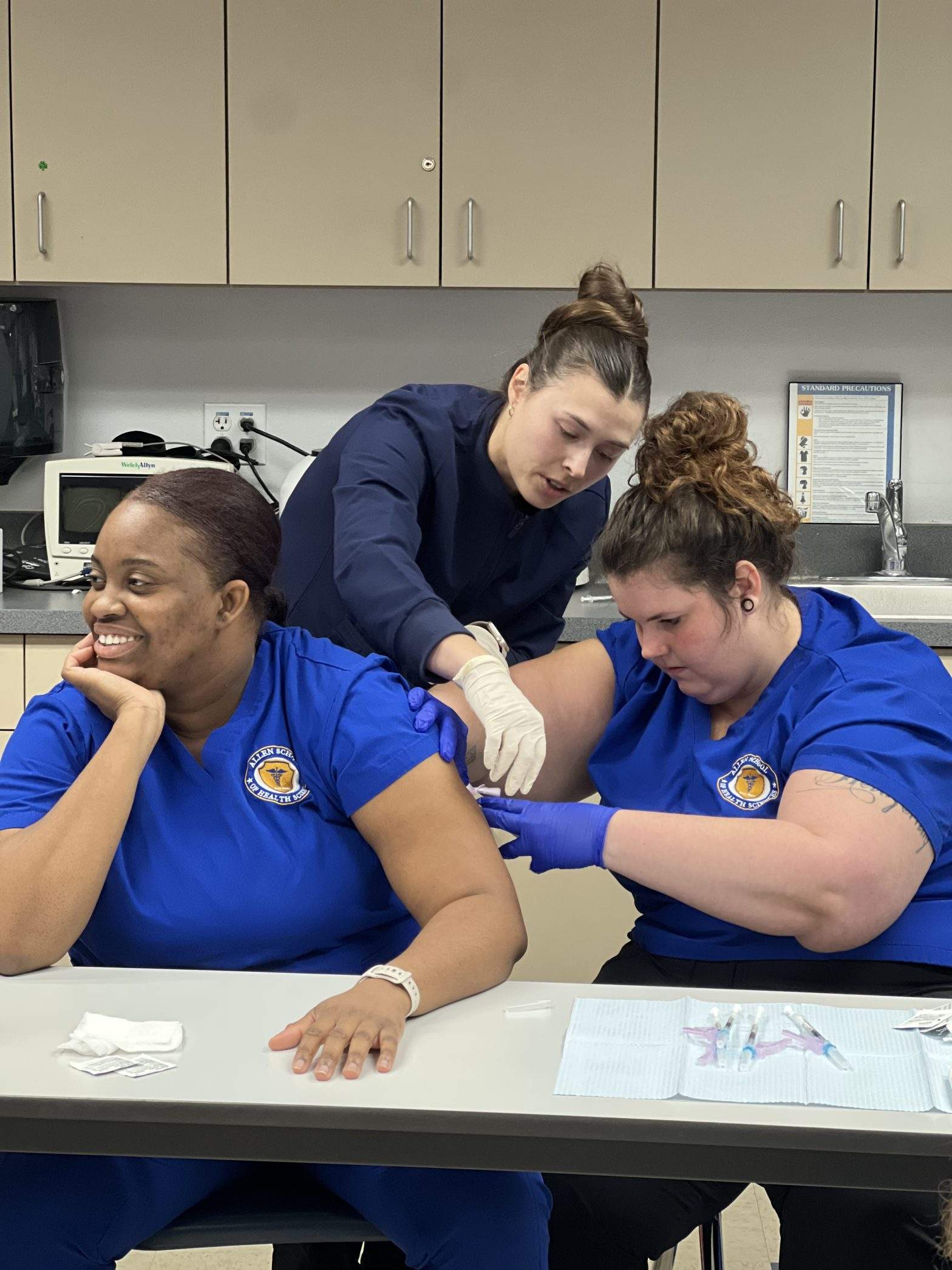
Students may choose to drop out of traditional college to enroll in the Allen School of Health Sciences Medical Assistant Program for several reasons: Focused Curriculum: Traditional college often requires students to complete general education courses that may not relate to their intended careers. In contrast, the Allen School provides a streamlined curriculum specifically designed… Continue reading Reasons Students Drop Out of a Traditional College and Enroll in the Allen School of Health Sciences Medical Assistant Program:
How to Choose Between Certificate vs. Associate Medical Assistant Programs
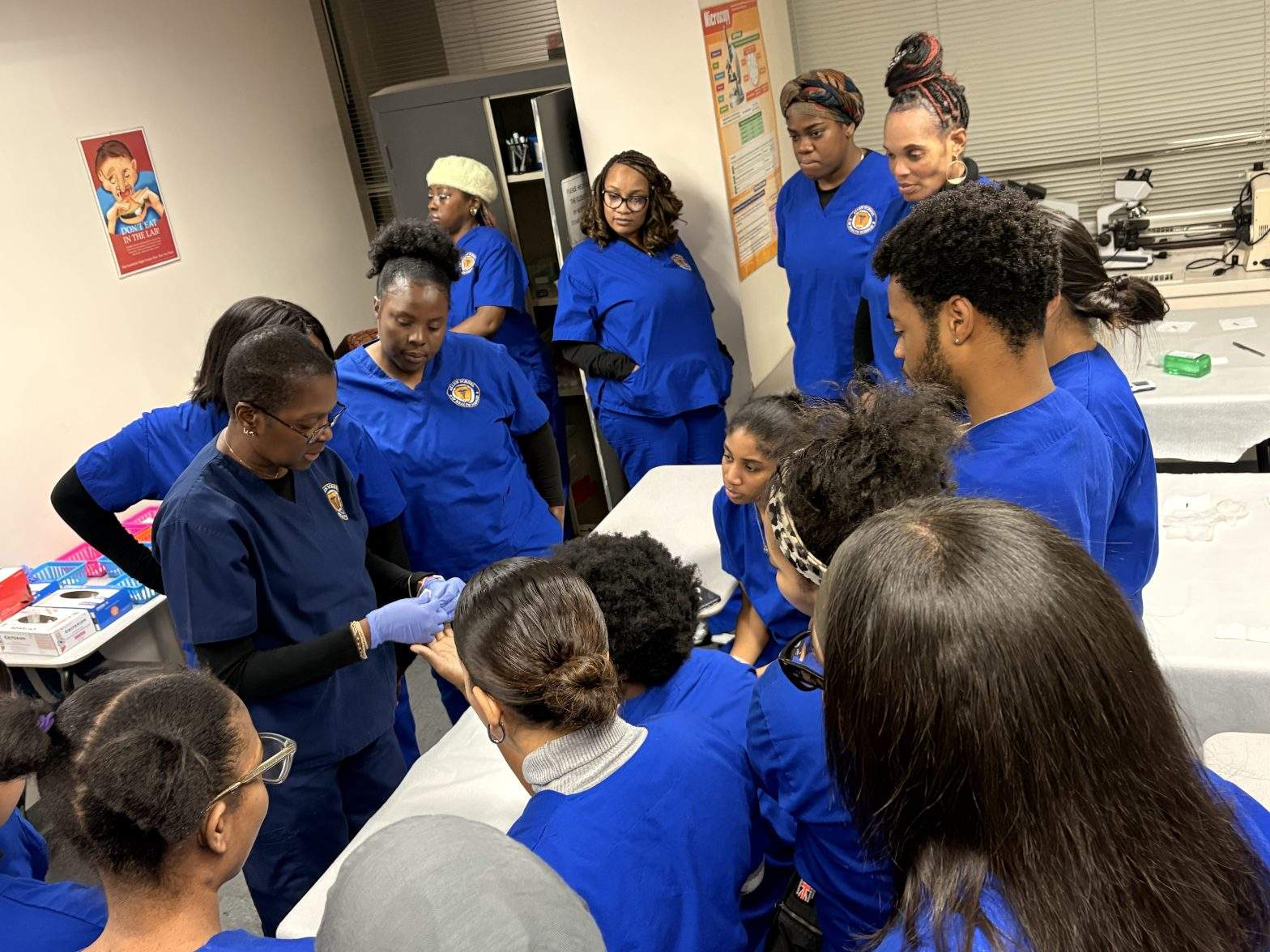
Understanding the Certificate Route Starting a career in healthcare is an exciting decision, but choosing the right educational path can feel overwhelming. If you’re considering medical assisting, you’ve probably come across two common options: certificate programs and associate degree programs. Each path offers unique benefits depending on your timeline, goals, and resources. Knowing the difference… Continue reading How to Choose Between Certificate vs. Associate Medical Assistant Programs
Medical Assistant Career Pathways: From Assistant to Advanced Roles
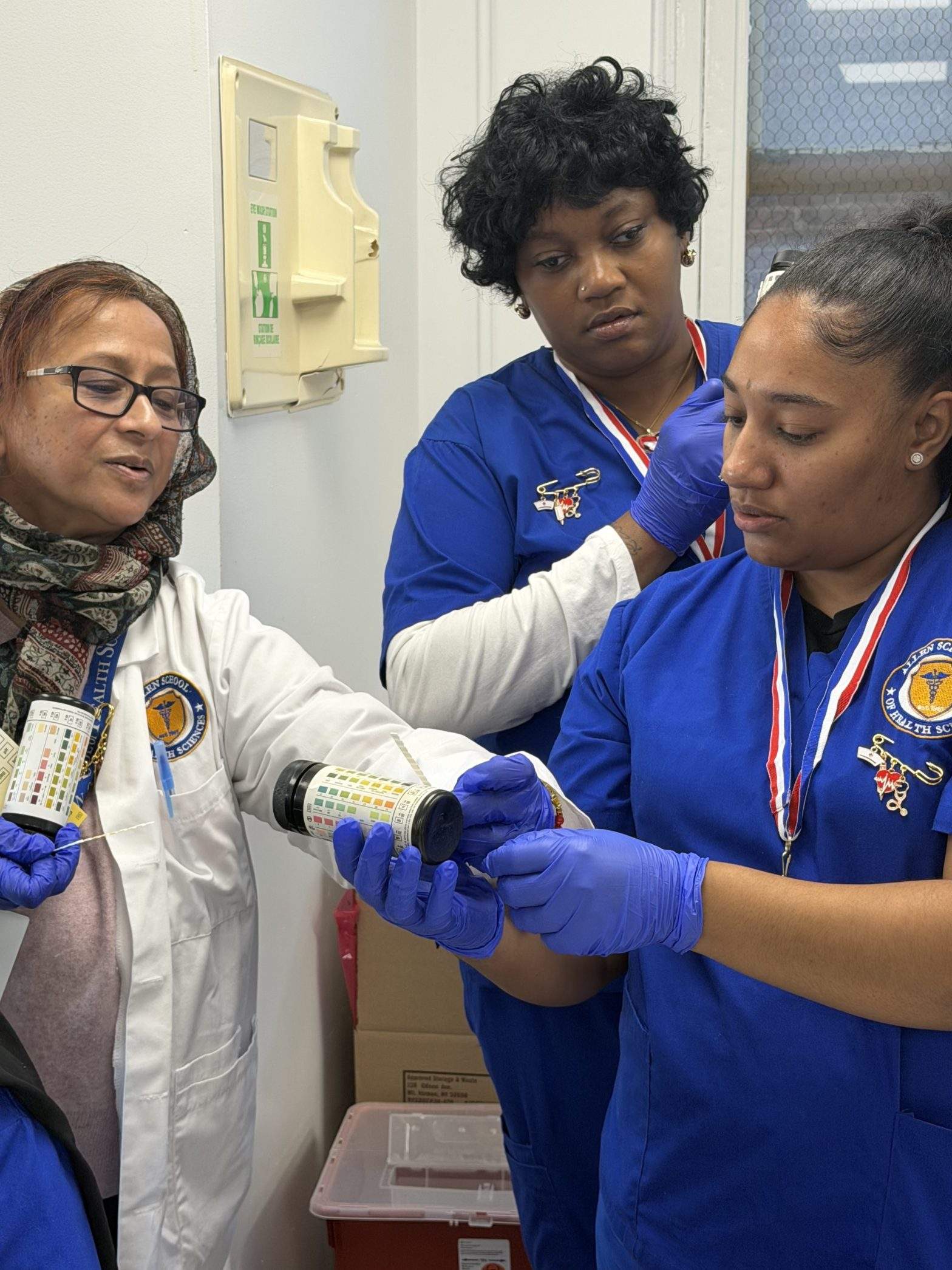
Medical Assistant Career Pathways A career in medical assisting offers more than a stable job; it provides a foundation for lifelong growth in healthcare. Many people begin their professional journey as medical assistants and later move into nursing, administration, or management roles. With hands-on training, strong communication skills, and an understanding of both clinical and… Continue reading Medical Assistant Career Pathways: From Assistant to Advanced Roles
Bridging the Gap: How the Allen School Medical Assistant Program Can Pave Your Way into Nursing and Other Healthcare Careers:

In today’s evolving healthcare landscape, the demand for qualified professionals continues to rise. For those aspiring to enter the field, a solid foundation is essential. The Allen School of Health Sciences Medical Assistant Program not only prepares students for immediate employment but also serves as a vital steppingstone for those looking to transition into nursing… Continue reading Bridging the Gap: How the Allen School Medical Assistant Program Can Pave Your Way into Nursing and Other Healthcare Careers:
Top 10 Skills Employers Want from Medical Assistants

Top 10 Skills Employers Want from Medical Assistants Medical assistants are the heartbeat of any clinic, doctor’s office, or healthcare facility. As the healthcare field evolves, so do the expectations for incoming professionals. Employers today are looking for candidates who bring more than just a certificate; they want well-rounded individuals with the right mix of… Continue reading Top 10 Skills Employers Want from Medical Assistants
AI in Healthcare & the Evolving Role of Medical Assistant
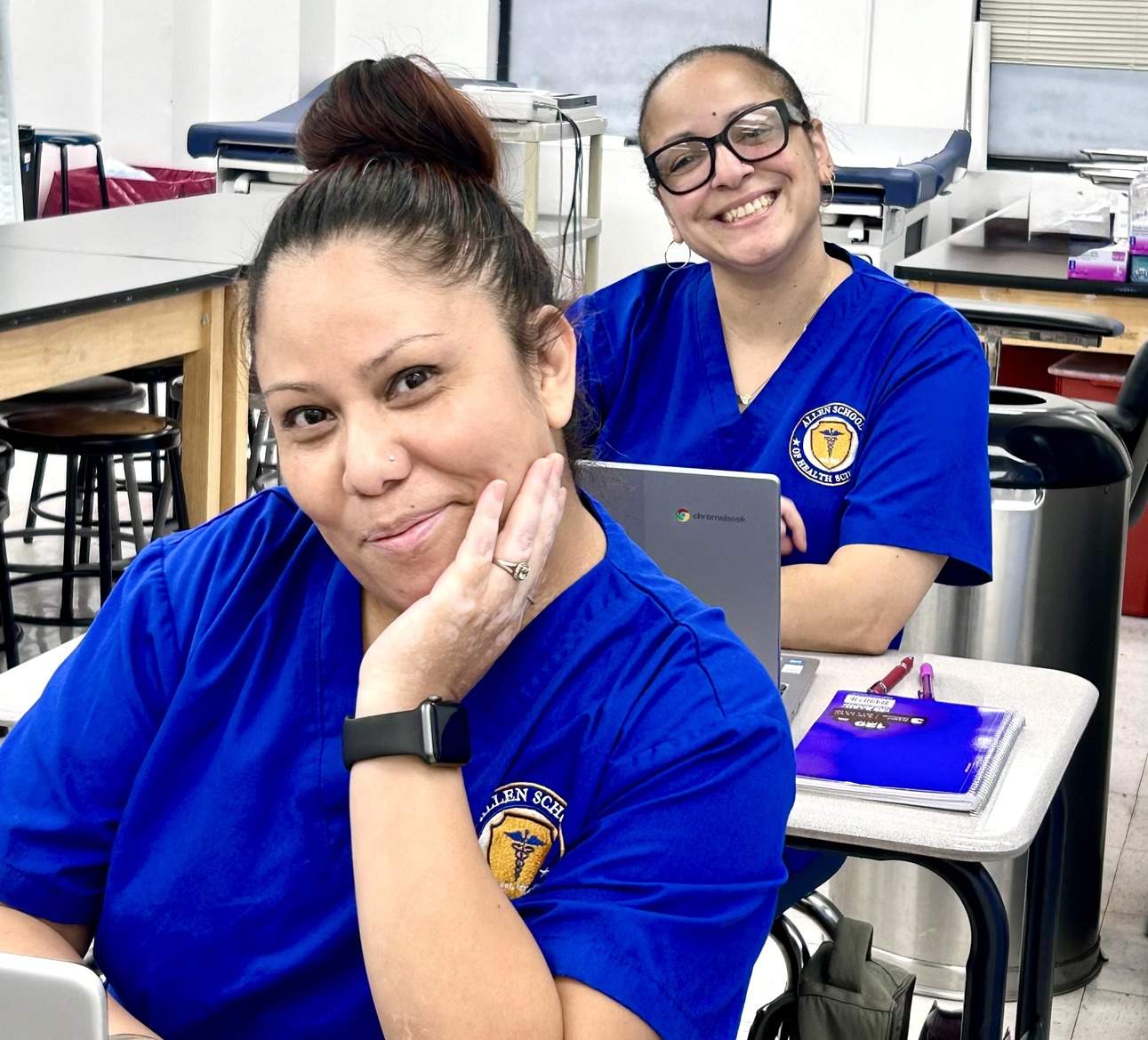
AI in Healthcare & the Evolving Role of Medical Assistant Artificial intelligence (AI) is changing the way healthcare works, helping clinics work smarter, faster, and more efficiently. From virtual assistants that schedule appointments to advanced tools that streamline documentation, AI is quickly becoming part of everyday operations. But even as technology evolves, the human side… Continue reading AI in Healthcare & the Evolving Role of Medical Assistant
Preparing Students for Success: The Allen School of Health Sciences
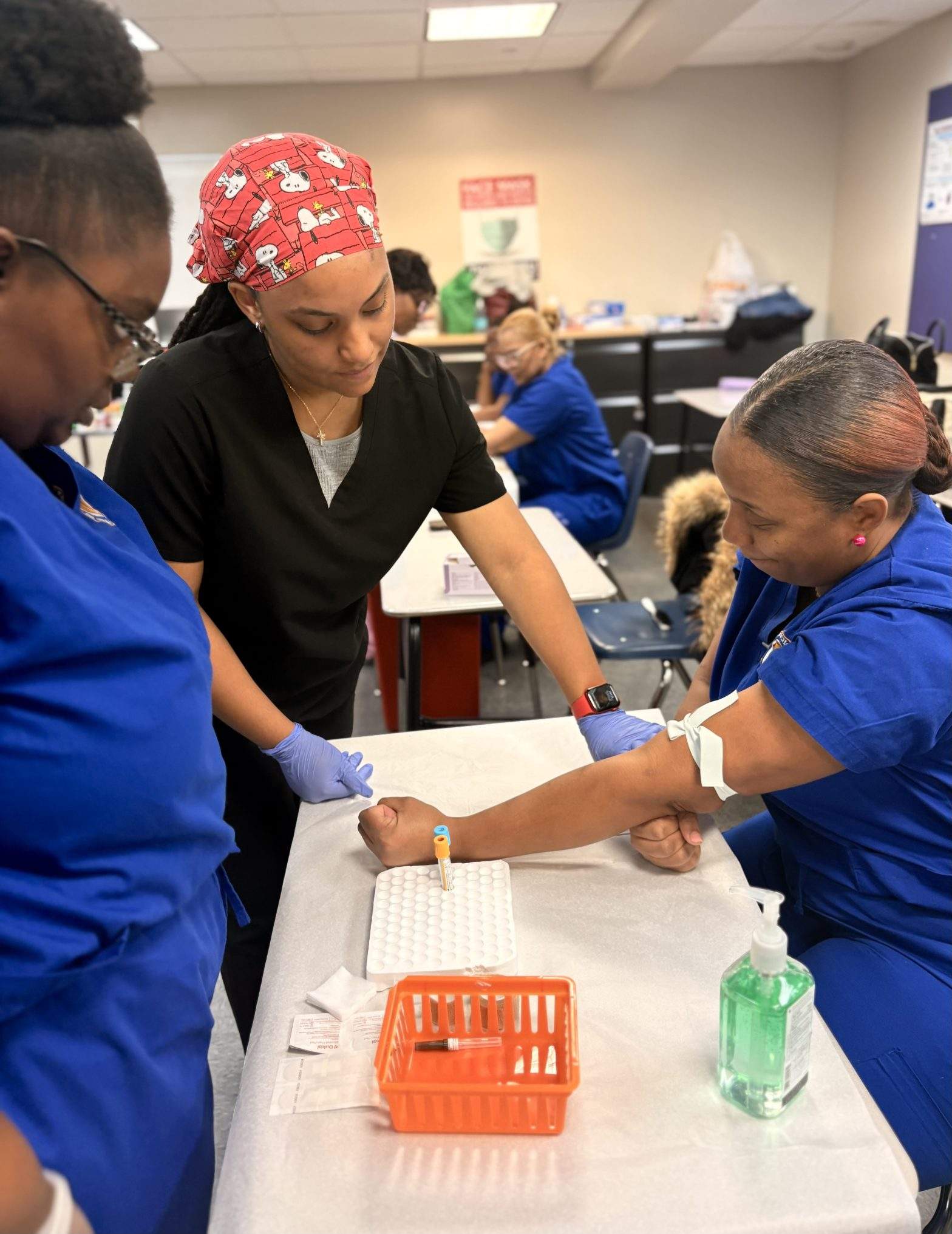
How Medical Assistant Internships Prepare You for Real-World Healthcare The Allen School of Health Sciences prepares students for their 275-hour internship component through a comprehensive approach that integrates classroom learning with practical experience. Here are several ways in which the Allen School prepares our students: Hands-On Training: Students participate in a curriculum that emphasizes practical… Continue reading Preparing Students for Success: The Allen School of Health Sciences