

Why Career Services Matter in a Medical Assistant Program Having a career services component as part of our medical assistant program is crucial for several reasons: Job Placement Support: Career services can assist students in securing internships and job placements, increasing their employability upon graduation. Our Allen School career services team is here to assist… Continue reading The Importance of Career Services as Part of Your Medical Assistant Program at the Allen School of Health Sciences:
Author: Robert Caruso
Cultural Competency Training for Modern Medical Assistants
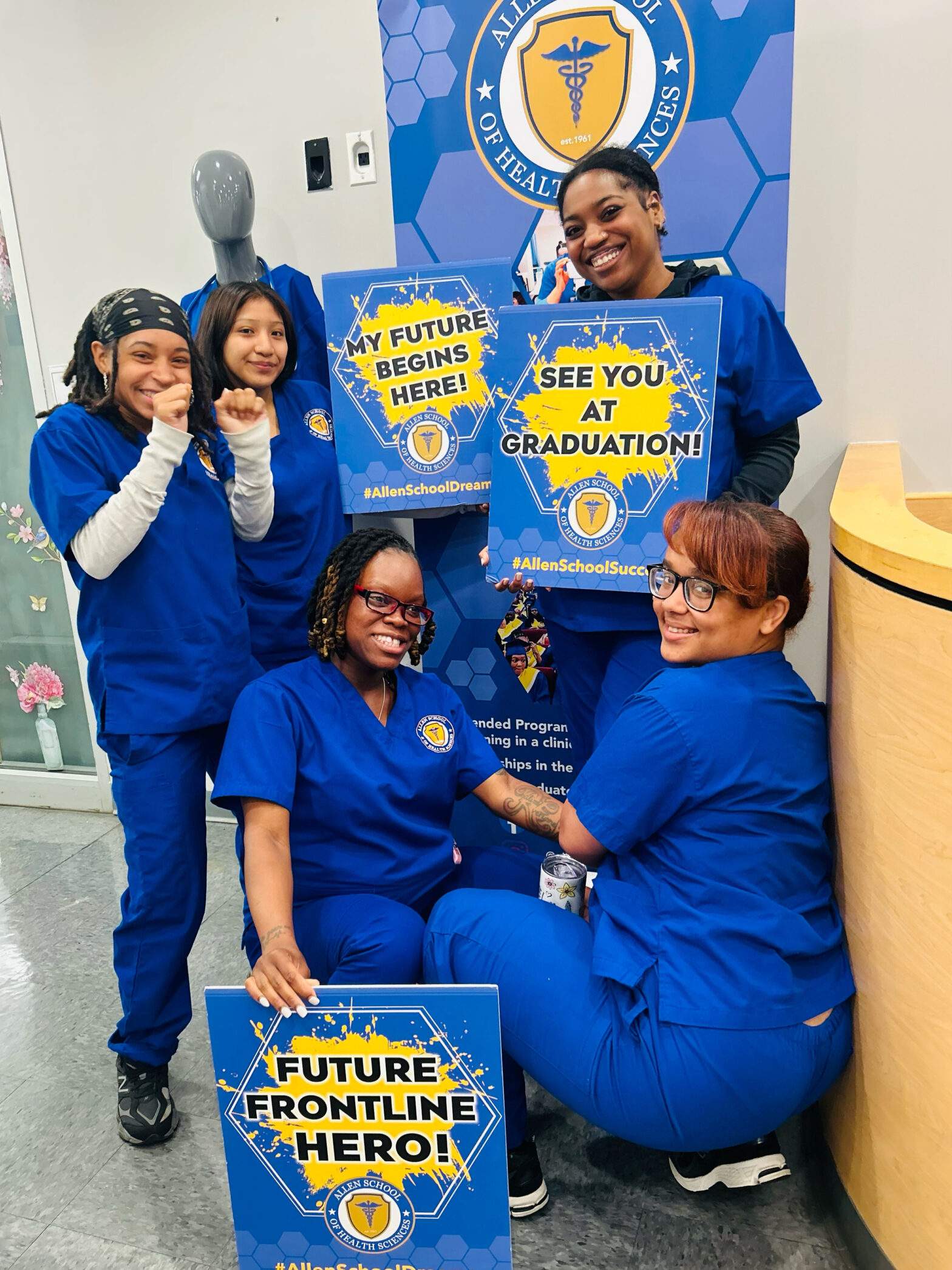
Cultural Competency Skills for Medical Assistants Today’s healthcare landscape is made up of patients from all walks of life, each with their own values, languages, and beliefs. For medical assistants, understanding those differences is essential to providing respectful, effective care. When patients feel seen and understood, communication improves, trust grows, and outcomes are better. That’s… Continue reading Cultural Competency Training for Modern Medical Assistants
Fast-Track Medical Assistant Training for Adult Learners
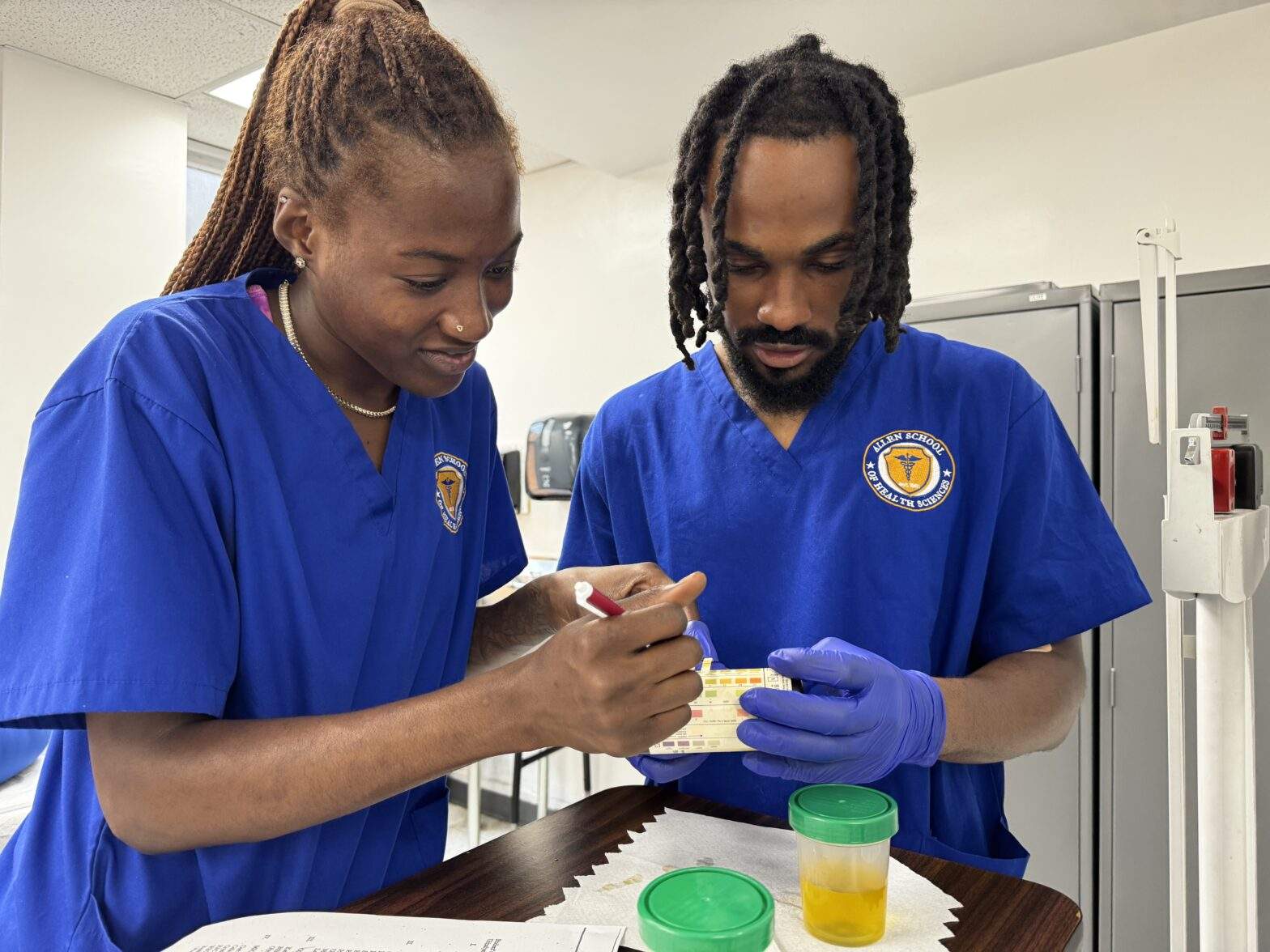
Fast-Track Medical Assistant Training for Adult Learners Balancing work, family, and the pursuit of a new career can feel like a juggling act. For adult learners, medical assisting offers a practical path into healthcare without putting life on hold. With the right strategies, it’s possible to move forward confidently – even when your calendar is… Continue reading Fast-Track Medical Assistant Training for Adult Learners
Why Hands-On Clinical Training Matters in Medical Assisting
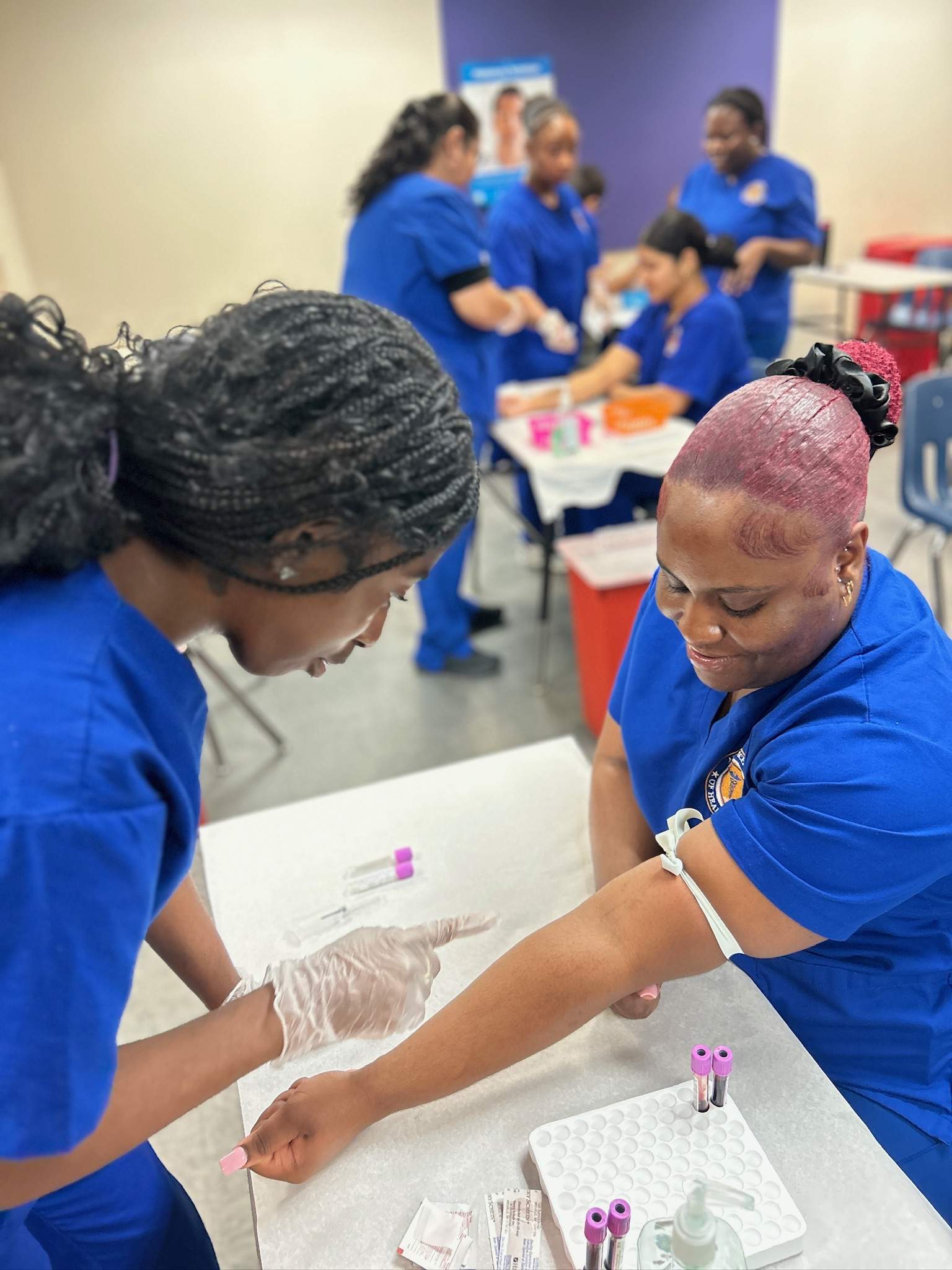
Cultural Competency Skills for Medical Assistants In the ever-evolving field of healthcare, practical skills are just as crucial as theoretical knowledge, especially for medical assistants who play a vital role in patient care. One of the most effective ways to develop these skills is through hands-on learning in a clinical classroom setting. Here’s why this… Continue reading Why Hands-On Clinical Training Matters in Medical Assisting
Why Phlebotomy and EKG Training Matters for Medical Assistants
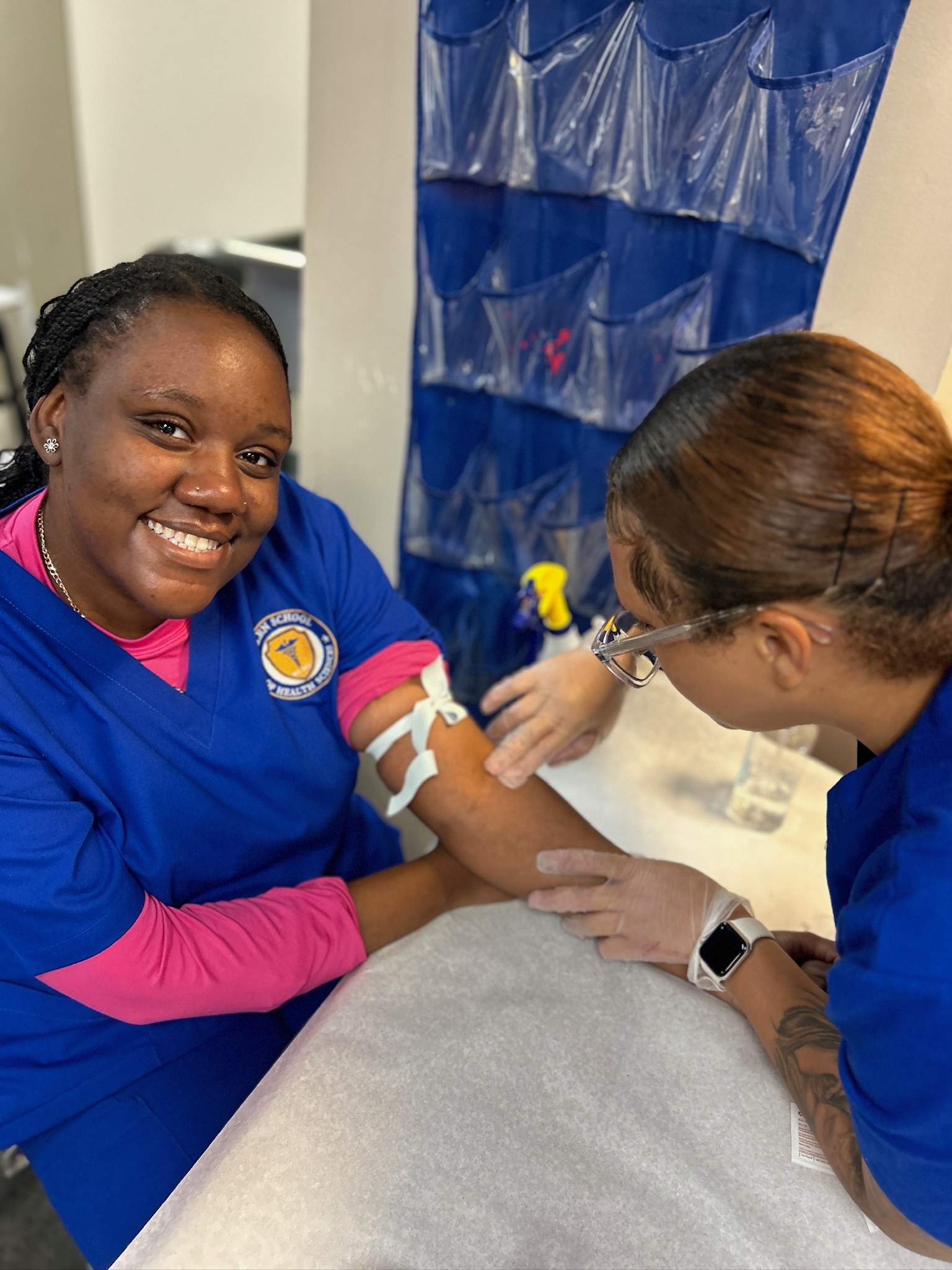
Phlebotomy and EKG Training: Why They Matter for Medical Assistants Learning phlebotomy and EKG (electrocardiogram) as part of a medical assistant program is important for success as a medical assistant. Follow below and learn why phlebotomy and EKG as part of your medical assistant program are important to your success. Enhanced Skill Set: Proficiency in… Continue reading Why Phlebotomy and EKG Training Matters for Medical Assistants
Medical Assistant Instructors with Real-World Clinical Experience

What Role Do Internships Play in Training Future Medical Assistants? Internships play a crucial role in training future medical assistants by providing practical, hands-on experience that complements their classroom education. The Allen School of Health Sciences hybrid medical assistant program offers a 275-hour internship as part of our curriculum. Here are some key benefits of… Continue reading Medical Assistant Instructors with Real-World Clinical Experience
The Role of Internships in Medical Assistant Training
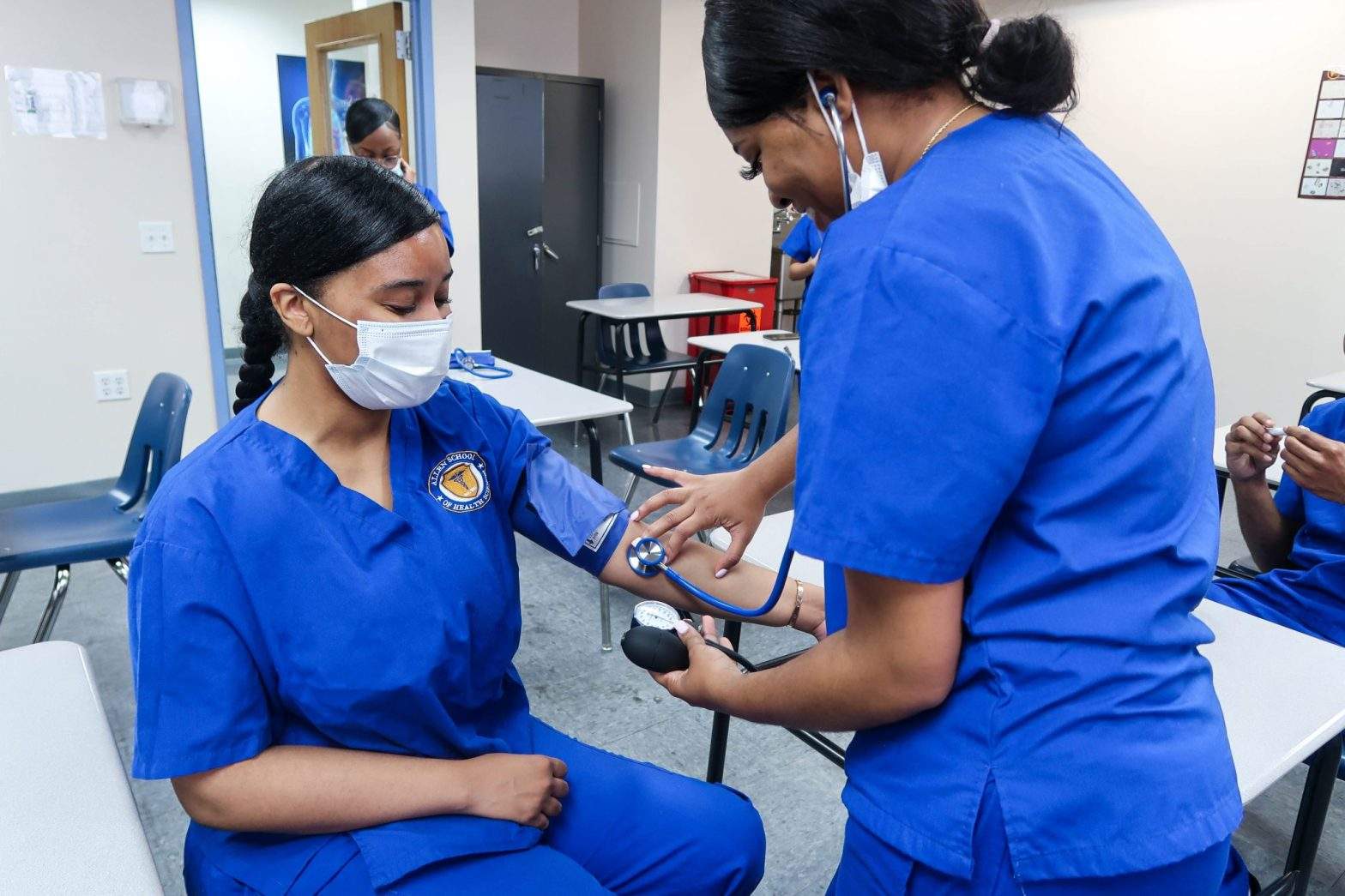
What Role Do Internships Play in Training Future Medical Assistants? Internships play a crucial role in training future medical assistants by providing practical, hands-on experience that complements their classroom education. The Allen School of Health Sciences hybrid medical assistant program offers a 275-hour internship as part of our curriculum. Here are some key benefits of… Continue reading The Role of Internships in Medical Assistant Training
Medical Assistant Interview Attire: What to Wear

You don’t get a second chance at a first impression, and at job interviews, first impressions are vitally important. In just an hour, employers will get an idea of who you are, what your work ethic is, and whether you’ll fit their team, and it all comes down to how you carry yourself, and how… Continue reading Medical Assistant Interview Attire: What to Wear
What Causes Bruising After a Blood Draw
Reasons Why Bruising Occurs After a Blood Draw It is normal to have some bruising after having your blood drawn. A bruise occurs when a blood vessel is damaged, and blood escapes into the tissue under your skin. The pooling of blood causes a discoloration that is usually darker than the surrounding skin. Blood collects… Continue reading What Causes Bruising After a Blood Draw
Commonly Used Phlebotomy Equipment

Phlebotomy is one of the most important jobs in the healthcare industry. A considerable portion of medical treatments and diagnoses rely on blood tests, and the collection of those blood samples is often done by a phlebotomist, who must carefully draw blood from the veins of patients. To do so effectively, they must have the… Continue reading Commonly Used Phlebotomy Equipment