Becoming a Medical Assistant in 2026: Your Path to a Rewarding Career.
In the rapidly evolving field of healthcare, becoming a medical assistant (MA) stands out as a fulfilling career choice. As we step into 2026, the demand for medical assistants continues to grow, driven by an expanding healthcare landscape, technological advancements, and a focus on patient care. If you’re considering a career in this field, this blog will provide you with essential insights and steps to embark on your journey to becoming a medical assistant.
Why Choose a Career as a Medical Assistant?
High Demand for Medical Assistants:
The Bureau of Labor Statistics (BLS) projects that employment for medical assistants will continue to grow much faster than the average for all occupations, with an expected growth rate of around 12% from 2024 to 2034. https://www.bls.gov/ooh/healthcare/medical-assistants.htm This demand is fueled by an aging population and an increase in chronic conditions that require medical assistance.
Diverse Responsibilities:
As a medical assistant, you’ll enjoy a variety of tasks that keep your work engaging. Your responsibilities typically include taking patient histories, assisting with examinations, scheduling appointments, and managing administrative tasks. You might also handle clinical tasks such as taking vital signs, drawing blood, administering EKGs, and preparing patients for their procedures.
Opportunities for Advancement:
Starting as a medical assistant can lead to numerous career pathways. With additional training and education, you may specialize in areas such as pediatrics, cardiology, dermatology, oncology, or advance into managerial roles.
Job Satisfaction:
Working directly with patients is often cited as a major reason individuals choose this career. The opportunity to make a positive impact on patients’ lives offers immense job satisfaction.
Steps to Become a Medical Assistant in 2026.
Obtain a High School Diploma or GED:
The foundational step is to complete your high school education or obtain a General Educational Development (GED) certificate.
Consider Formal Education:
While not always required, many employers prefer candidates who have completed a formal education program. You can choose from:
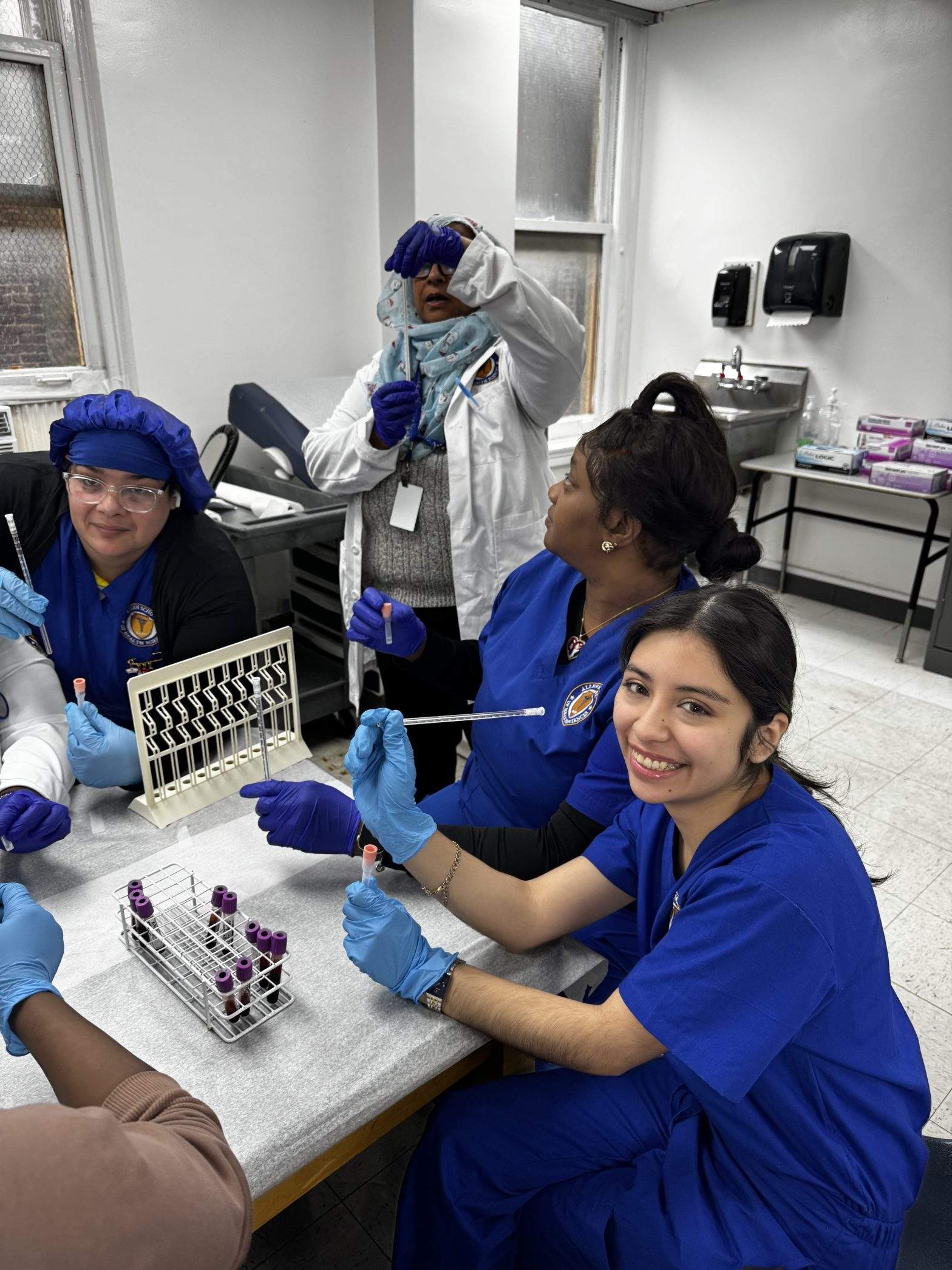
– Certificate Programs: These programs usually take about a year to complete and provide essential training in both clinical and administrative skills. The Allen School of Health Sciences hybrid medical assistant program allows students the opportunity to combine online interactive learning with hands-on training in a clinical classroom. Students can graduate in less than a year.
– Associate Degree Programs: Typically lasting two years, these programs offer a more in-depth education including a general education component.
Gain Hands-On Experience:
Clinical internships or externships are crucial for gaining practical experience. Many educational programs provide opportunities to work in real healthcare settings, allowing you to learn from seasoned professionals and develop your skills. At the Allen School of Health Sciences our medical assistant students must complete a 275-hour internship component to graduate from our program.
Get Certified:
While certification is not mandatory, obtaining it can significantly enhance your job prospects. The Registered Medical Assistant (RMA) credential, offered by the American Medical Technologists (AMT), is one of the most recognized. To become certified, a candidate must meet eligibility requirements, which can include graduating from an accredited program or having a certain amount of work experience, and passing the national RMA exam.
Develop Soft Skills:
In addition to technical skills, developing soft skills such as communication, empathy, and problem-solving is crucial. As a medical assistant, you will interact with patients, families, and healthcare teams, so strong people skills are essential.
Stay Informed about Industry Trends:
The healthcare field is dynamic, so staying updated on recent technologies, regulations, and best practices is necessary. Consider joining professional organizations, attending workshops, and subscribing to medical journals.
Explore Job Opportunities:
After completing your education and gaining experience, start exploring job opportunities. Look for positions in various settings such as hospitals, clinics, nursing homes, and private practices. Tailor your resume to highlight your skills and experiences relevant to the position you are applying for. As a student at the Allen School of Health Sciences, our career services team is here to help you with your employment search. While we can’t guarantee employment, our career services team has been assisting our students find employment in the local area and they have been doing this for over 60 years. They will help with resume writing, cover letters, and interviewing techniques to set you up for success!
Becoming a medical assistant in 2026 presents a wealth of opportunities in a growing field. With a commitment to education, hands-on experience, and the development of essential skills, you can pave the way for a rewarding career dedicated to helping others. As the healthcare landscape continues to evolve, medical assistants will play a vital role in ensuring that patients receive the best care possible. If you feel passionate about making a difference in healthcare, now is the perfect time to embark on your journey! To learn more about the Allen School of Health Sciences and our medical assistant program contact us today! www.allenschool.edu