
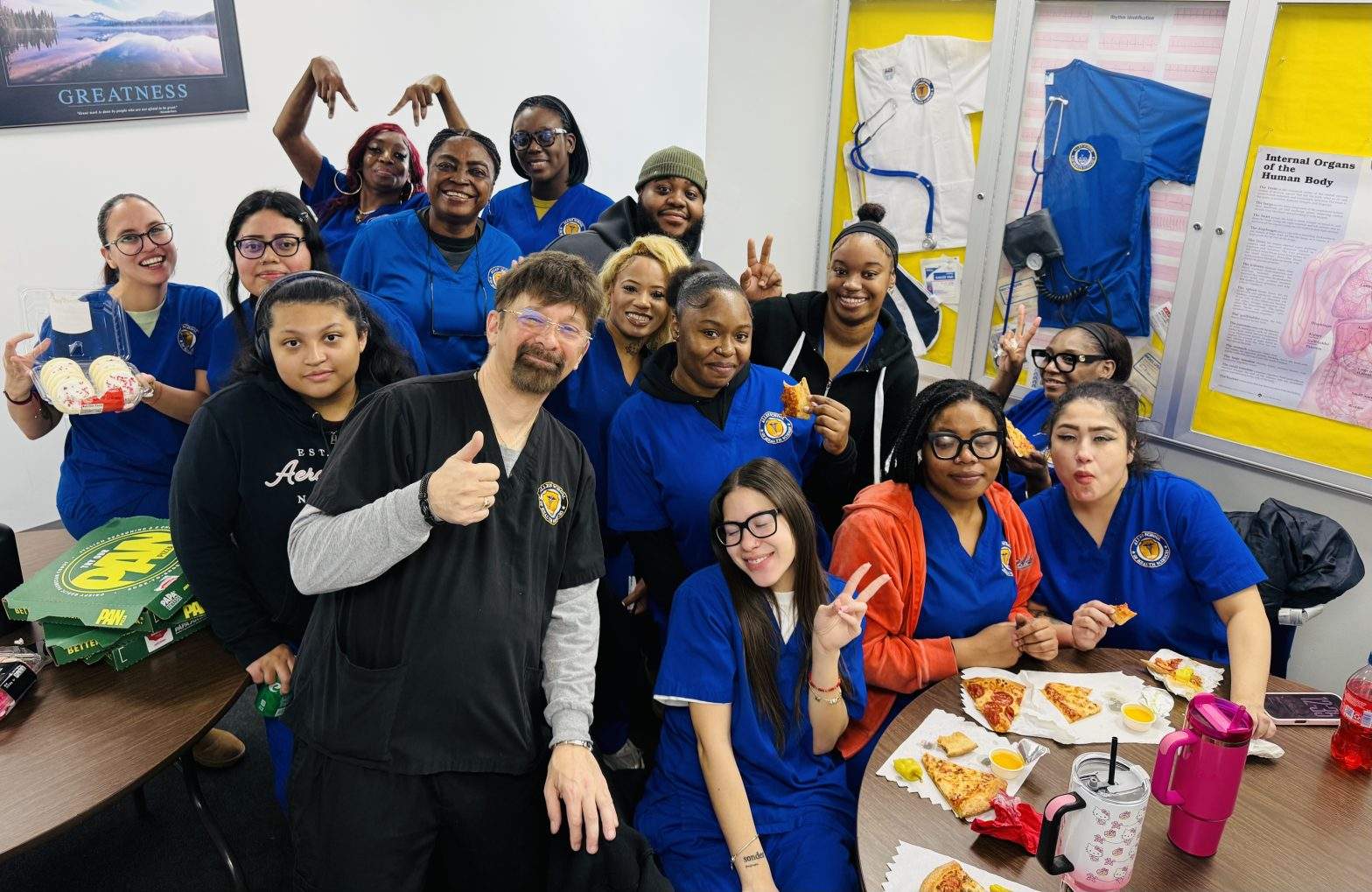
Embarking on a career as a medical assistant can be incredibly rewarding, allowing individuals to play a pivotal role in healthcare. Opting for a medical assistant program that includes an internship component can significantly enhance the educational experience and prepare students for the complexities of the healthcare environment. Here are some of the key benefits of such programs:
Hands-On Experience:
Internship components provide students with the opportunity to gain practical, hands-on experience in real healthcare settings. This experience is invaluable, as it allows students to apply theoretical knowledge in a clinical environment, enhancing their understanding of daily operations.
At the Allen School of Health Sciences our internship is 275 – hours, allowing students to hone essential skills required for their future roles. This can include administrative tasks like scheduling appointments and managing patient records, as well as clinical skills like taking vital signs, drawing blood, and assisting with procedures. The direct application of skills in a real-world setting helps build competence and confidence.
Professional Networking:
The Allen School of Health Sciences Career Services team will help you with your resume writing, cover letters and interviewing techniques. They will also connect you with local medical offices to help you with securing interviews. Internships provide an excellent opportunity to establish connections within the healthcare industry. Students meet professionals, mentors, and potential future employers, which can lead to job opportunities and recommendations for post-graduation. Building a robust professional network is essential for career advancement in healthcare.
Improved Employment Prospects:
Employers often prefer candidates with practical experience. Completing an internship as part of a medical assistant program can set students apart in a competitive job market, demonstrating their commitment to the profession and their ability to perform in a clinical environment.
Better Understanding of Healthcare Operations:
Internships expose students to the inner workings of healthcare facilities. They gain insights into the dynamics of team collaboration, patient care protocols, and the importance of communication in a clinical setting. This comprehensive understanding aids in smoother transitions from school to work.
Real-world Problem-Solving:
Internships often involve encountering and overcoming challenges that arise in a healthcare setting. Students learn to think critically and adapt to various situations, improving their problem-solving skills—an essential quality in a medical assistant’s role.
Boosted Confidence:
Working directly with patients and healthcare professionals helps build self-confidence. As students take on responsibilities and receive positive feedback, they grow more assured in their abilities and ready to face the demands of their future careers.
Exposure to Different Specialties:
Many medical assistant programs with internship components allow students to rotate through various departments, such as pediatrics, cardiology, dermatology, or urgent care. This exposure helps students identify their areas of interest, guiding future career paths and specializations.
Conclusion:
Participating in a medical assistant program that includes an internship component can significantly enhance the educational experience. Students gain essential skills, build professional connections, and emerge confident and ready to enter the healthcare workforce. By choosing a program with an internship, aspiring medical assistants position themselves for successful careers in a growing field. If you are interested in the Allen School and our internship component as part of our medical assistant program or any other questions about a career in healthcare, contact the Allen School today! www.allenschool.edu