
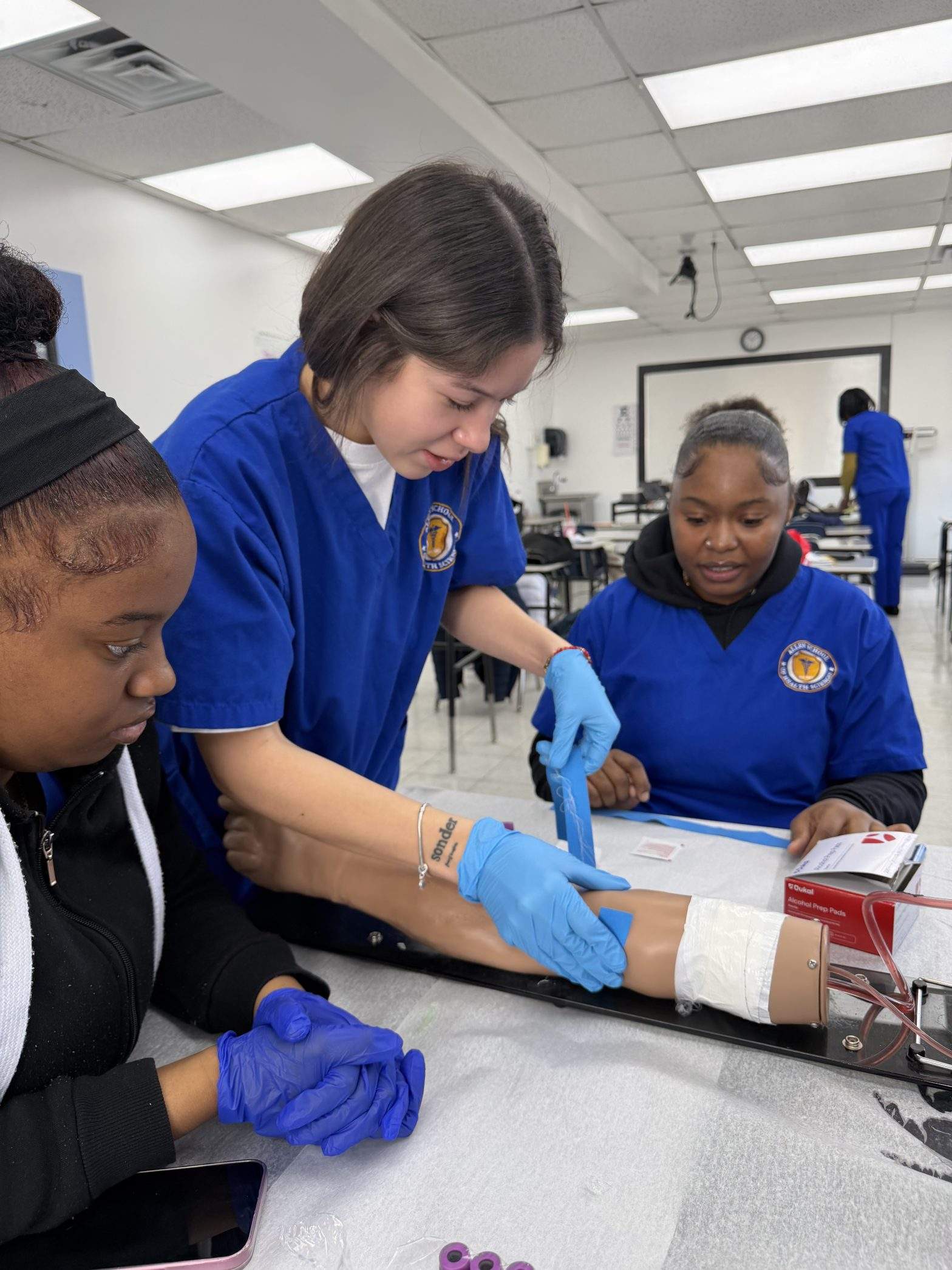
The Real Value of Internships for Medical Assistant Students
Classroom learning builds knowledge, but real confidence in healthcare comes from hands-on experience. For many students, the internship is where everything starts to click. It’s the moment when skills are applied in real settings, professional relationships begin to form, and students see what life as a medical assistant truly looks like day to day.
A well-structured medical assistant internship plays a meaningful role in helping students transition from training into the workforce with confidence.
What a Medical Assistant Internship Includes
Internships are designed to place students directly inside healthcare environments where learning happens in real time. During this phase, students work under the supervision of experienced professionals such as physicians, physician assistants, registered nurses, licensed practical nurses, and office managers.
At Allen School of Health Sciences, the 275-hour internship is a required component of the medical assistant program and must be successfully completed in order to graduate. This structured experience allows students to work side by side with healthcare teams while interacting with patients and supporting daily operations.
Internships include both clinical and administrative responsibilities, offering a well-rounded view of how medical offices function.
Typical clinical skills practiced during the internship may include:
- Performing phlebotomy (drawing blood)
- Conducting EKGs (electrocardiograms)
- Taking and recording vital signs
- Assisting with patient exams
- Supporting basic laboratory procedures
Students may also gain experience with:
- Managing patient records
- Scheduling appointments
Communicating with patients - Maintaining exam rooms and equipment
Each day brings new learning opportunities and reinforces the connection between classroom instruction and real-world application.
Skills Gained During a Medical Assistant Internship
Internships help students develop practical skills that can be difficult to fully grasp in a simulated environment. Being in an active healthcare setting allows students to refine both technical abilities and professional habits.
Through hands-on practice, medical assistant students build clinical experience that includes patient communication, workflow awareness, attention to detail, and adherence to safety protocols. They also gain experience managing time, following established procedures, and adapting to the pace of a working clinic.
Just as important are the soft skills developed along the way. Internships help students become more confident communicators, learn how to function effectively as part of a healthcare team, and understand professional expectations such as punctuality, accountability, and patient privacy.
Employer Advantages
From an employer’s perspective, internships provide a valuable opportunity to observe future professionals in action. Clinics and medical offices see firsthand how students interact with patients, respond to feedback, and contribute to the team.
This is one of the most practical benefits for students as well. When employers already know your work ethic and capabilities, the transition into employment can feel more natural. Even when an internship doesn’t lead directly to a job offer, it often results in strong professional references and meaningful connections within the healthcare community.
Internships also help students explore different healthcare environments, giving them insight into which settings best align with their long-term goals.
From Internship to Employment
For many students, the internship becomes a bridge to employment. Being present in a healthcare facility allows students to build trust with supervisors and staff, demonstrate reliability, and gain exposure to day-to-day operations.
Even when a job offer isn’t immediate, the experience gained during a medical assistant internship makes graduates more competitive candidates. Employers value applicants who already understand clinic workflows, patient interaction standards, and professional expectations.
Internships also give students clarity. By experiencing the role firsthand, students can better articulate their strengths during interviews and identify areas they’d like to continue developing as they move forward in their careers.
Internship FAQs
Do all medical assistant students complete an internship?
Yes. At Allen School of Health Sciences, the 275-hour internship is a required part of the medical assistant program and must be completed to graduate.
Is a medical assistant internship paid?
Internships are typically unpaid and focus on hands-on learning and professional experience rather than compensation.
Can an internship lead to a job offer?
While employment is never guaranteed, internships help students build professional relationships, gain references, and demonstrate their readiness for the workforce.
What should I expect on my first day?
Students typically observe clinic workflows, meet staff members, and gradually take on supervised responsibilities as their confidence and skills grow.
How Allen School Supports Your Goals
At Allen School of Health Sciences, internships are treated as an essential part of each student’s journey — not an afterthought. The Career Services team works closely with students to help identify internship opportunities that align with location preferences, scheduling needs, and areas of interest.
Support does not stop once an internship is secured. Students receive guidance throughout the process, including preparation for workplace expectations, understanding professional dynamics, and strategies for making the most of every learning opportunity.
Since 1961, Allen School has helped thousands of students take meaningful steps toward healthcare careers. The required 275-hour internship is one of the ways students turn training into experience = and experience into opportunity.
To learn more about how Allen School supports students through training and internship placement, connect with our team today.