
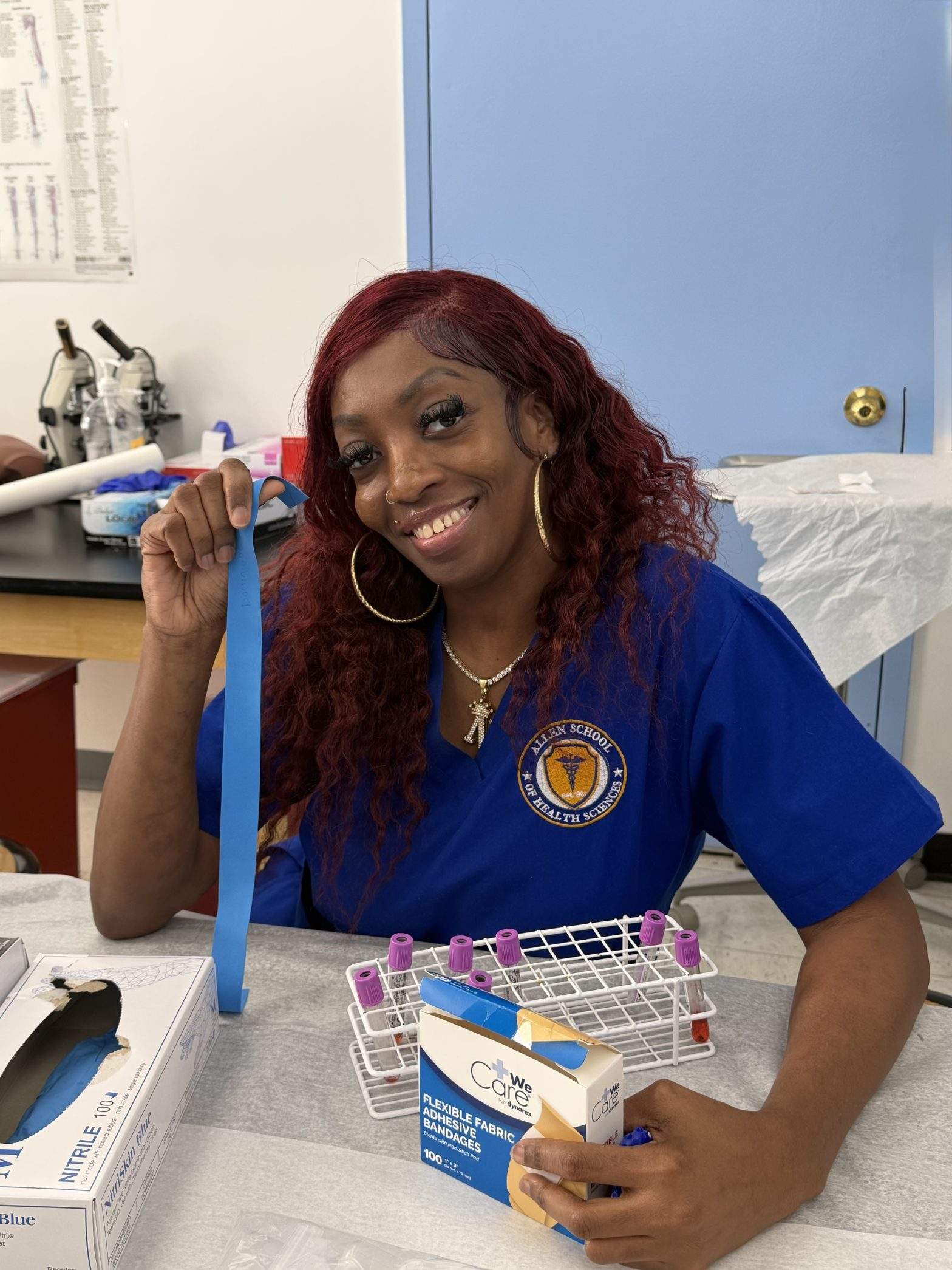
Signs You’ll Thrive as a Medical Assistant
If you’ve been asking yourself, “Should I become a medical assistant?” or “Is medical assisting right for me?”, it’s important to know that medical assisting isn’t about one single personality type. Instead, it tends to suit a diverse range of people who enjoy variety, teamwork, and meaningful interaction.
You may thrive as a medical assistant if you see yourself in these key characteristics:
- You like helping people in practical ways. Medical assistants support patients during visits, often easing anxiety through calm communication and clear guidance.
- You enjoy structure but not monotony. Clinic days follow routines, but no two patients or schedules are exactly the same.
- You’re comfortable multitasking. Switching between patient care, documentation, and coordination is a normal part of the role.
- You value teamwork. Medical assistants work closely with physicians, nurses, and office staff to keep care running smoothly.
- You want a career with purpose. Many MAs appreciate knowing their work directly contributes to patient well-being.
Skills MAs Use Daily
Medical assistants rely on a mix of clinical, administrative, and interpersonal skills. These are used consistently throughout the workday and develop further with experience.
- Patient communication: Explaining procedures, answering questions, and helping patients feel comfortable requires clarity and empathy.
- Basic clinical support: Tasks like taking vital signs or preparing exam rooms call for attention to detail and calm focus.
- Organization and documentation: Accurate records and scheduling help clinics operate efficiently and safely.
- Technology use: Medical assistants often work with electronic health records and digital scheduling tools.
- Time management: Balancing patient flow and competing priorities is essential in busy healthcare environments.
If these skills sound engaging rather than intimidating, that’s often a solid indicator that this could be a great career path for you.
Personality Fit
Medical assisting tends to suit people who enjoy being part of something larger than themselves. If you like staying active throughout the day and feel energized by helping others, this role may align well with your natural strengths. Many medical assistants are detail-oriented but flexible, able to follow structure while adapting to the unexpected moments that happen in busy clinics.
Strong MA career fit often shows up in people who are calm under pressure, comfortable learning on the job, and willing to jump in where help is needed. You might enjoy this career if you take pride in being dependable, appreciate clear routines with built-in variety, and value teamwork over working in isolation. Small interactions – like reassuring a nervous patient, keeping things running smoothly behind the scenes – can feel genuinely rewarding.
And while some of these traits come naturally, many are skills that grow with time and experience. Confidence, communication, and adaptability are all strengths that can be developed through hands-on training and real-world practice, making this path accessible even if you’re still discovering what you’re capable of.
Career Stability
Healthcare continues to be an essential part of every community, and medical assistants play a consistent role within it. While no career can come with a guarantee, medical assisting is often viewed as a stable entry point into healthcare because of its broad applicability across clinics, physician offices, and specialty practices.
Another advantage is flexibility. Some professionals remain in medical assisting long-term, while others use the experience to move into specialized clinical areas, leadership roles, or additional healthcare education. This adaptability can make the career appealing to those who want options over time without committing to a single narrow path.
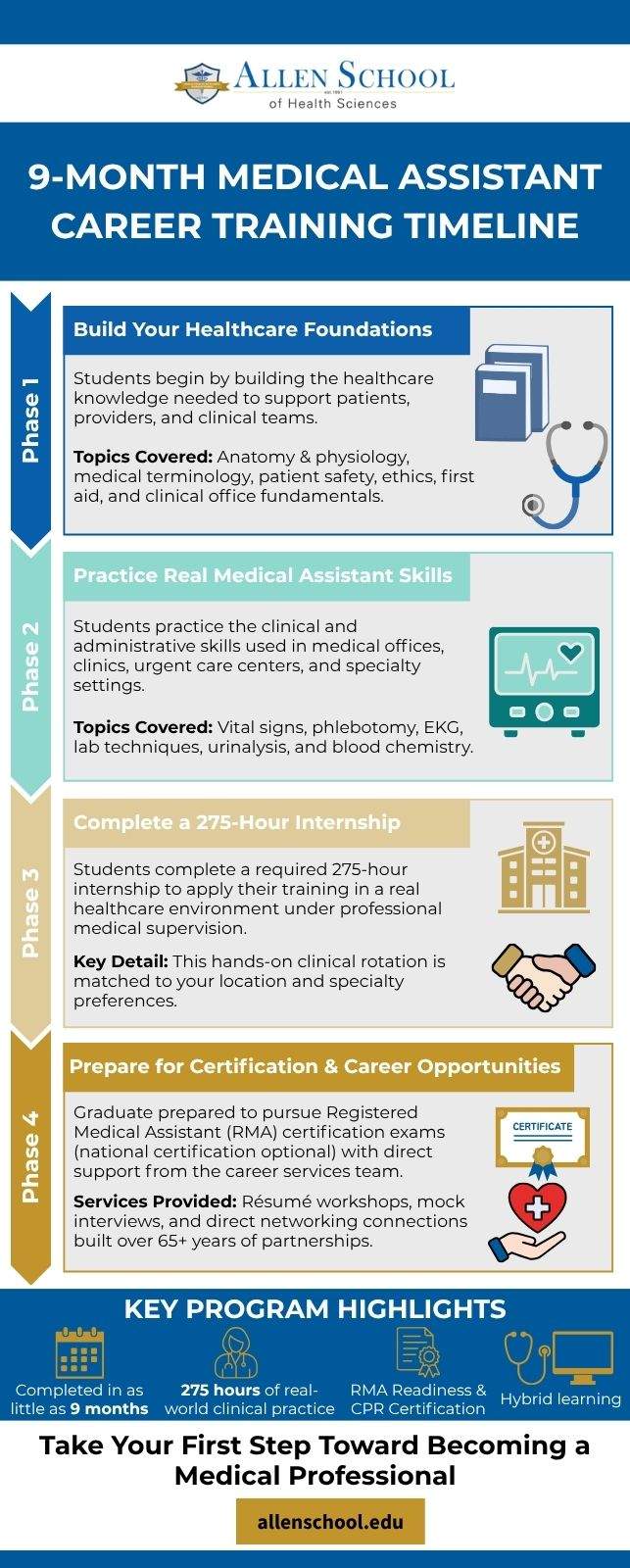
Take the Next Steps Toward a Career in Healthcare
If you’ve read through these sections and felt a sense of recognition, it may be time to explore your options further. Asking yourself whether medical assisting aligns with your goals, lifestyle, and strengths is an important step toward a satisfying career decision.
At the Allen School of Health Sciences, students learn through hands-on training led by instructors with real-world healthcare experience. The focus is on building practical skills, confidence, and professional readiness in an environment designed to support career-focused learners.
If you’re ready to learn more, connecting with the Allen School team can help you understand what training looks like and whether this path fits your plans. Contact our team for more information and to learn about the application process today!