Phlebotomy Training: What You’ll Learn as a Medical Assistant
For many students, learning to draw blood is the moment things start to feel real. It’s one of those skills that shifts training from reading and watching into actually doing. There’s a level of focus and care involved, but also a sense of accomplishment when it starts to click.
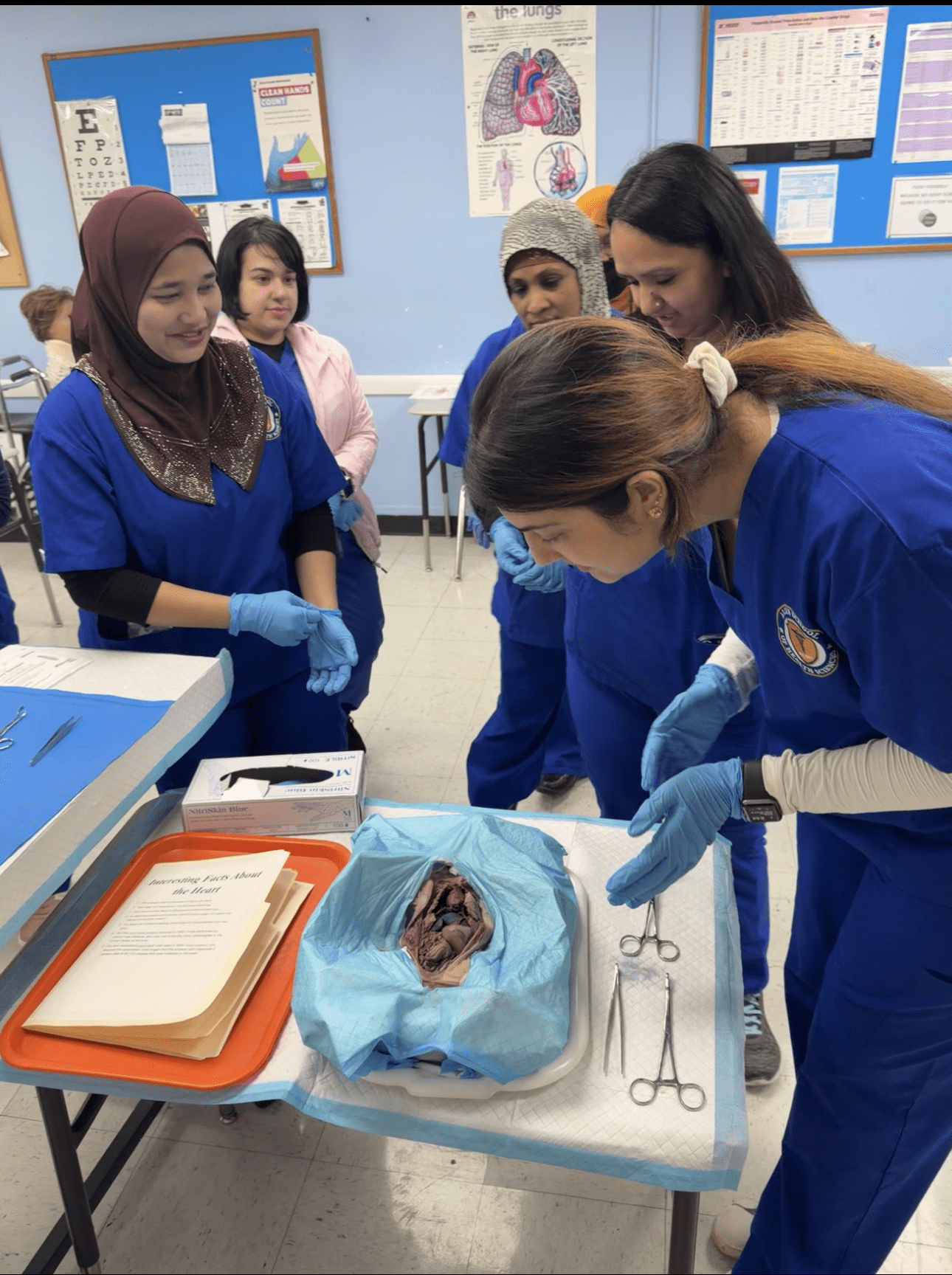
Phlebotomy is a regular part of day-to-day work in many healthcare settings, which is why it’s built into medical assistant training. As students begin practicing these skills in small, hands-on groups, they’re also learning how to work with patients, stay steady under pressure, and handle responsibilities that matter.
Why Phlebotomy Is a Core Skill for Medical Assistants
Blood draws play a role in everything from routine checkups to more detailed diagnostic testing. Medical assistants are often the ones responsible for collecting those samples, which makes accuracy and consistency important from the start.
Developing strong phlebotomy skills helps students feel more prepared in clinical environments where attention to detail and patient interaction go hand in hand. At the Allen School, that preparation begins in the classroom and continues through supervised, hands-on practice, so students aren’t just learning concepts, they’re building real ability.
Fundamentals of Blood Collection and Safety
Before students begin hands-on practice, they spend time learning the fundamentals that guide safe and accurate blood collection, including:
- Proper patient identification: Taking the time to confirm a patient’s identity helps ensure samples are matched correctly and reduces the risk of errors.
- Infection control practices: Using gloves, cleaning equipment, and maintaining a sterile workspace protects both patients and healthcare staff.
- Specimen handling: Correct labeling and handling keep samples usable and reliable for testing.
- Safety awareness: Understanding how to handle sharps and dispose of materials safely is an important part of daily clinical work.
Infection Control Patient Identification and OSHA Standards
Students are also introduced to the guidelines that shape how healthcare environments operate. Infection control practices, patient identification protocols, and OSHA standards all work together to create a consistent and safe approach to patient care. These expectations become part of a student’s routine early on.
Venipuncture Techniques and Hands-On Practice
Once the basics are in place, students begin practicing the process of drawing blood. This is where repetition and guidance make a difference. Under supervision, students learn how to prepare equipment, position patients, and approach each step with care.
Through venipuncture training as a medical assistant, students build confidence gradually. Each attempt helps improve coordination, technique, and comfort with the process.
Equipment Needle Selection and Proper Technique
Part of this training includes learning how to work with different tools and equipment. Students become familiar with needle selection, positioning, and proper technique, all of which can affect both patient comfort and successful sample collection.
Small adjustments, like angle, pressure, and placement, can make a meaningful difference. Having the chance to practice and receive feedback helps students refine these details.
Working With Different Patient Types
No two patients are exactly alike, and that’s something students learn quickly during training. Some patients may feel nervous, while others may have physical factors that make blood draws more challenging.
As part of blood draw training for a medical assistant, students learn how to adjust their approach based on the situation. This includes communicating clearly, staying calm, and creating a more comfortable experience for the patient.
Pediatric Geriatric and Difficult Draws
Working with children, older adults, or patients with difficult veins requires patience and flexibility. Students are introduced to techniques that help in these situations, along with strategies for easing patient concerns. These experiences help prepare students for the variety they’ll encounter in real clinical settings.
How Phlebotomy Training Improves Job Readiness
Hands-on experience plays a big role in helping students feel prepared for real healthcare environments. Phlebotomy is one of the most practical clinical skills a medical assistant can have – used across a wide range of settings, from clinics to urgent care centers.
At the Allen School, the hybrid program is designed so that theoretical learning and hands-on application go hand in hand. Students don’t just understand the concepts. They practice them, refine them, and carry them confidently into externships and entry-level roles.
Start Your Journey in a Career as a Medical Assistant
Phlebotomy is one piece of a larger skill set, but it’s often one of the most memorable parts of training. It combines technical ability with patient interaction, giving students a clear sense of how their work contributes to care.
At the Allen School of Health Sciences, small class sizes mean students learn in an environment where instructors know their names, can give individual feedback, and ensure no one falls through the cracks.
If you’re ready to explore what a future in healthcare could look like, contact the Allen School today.