
Is a Medical Assistant Career Right for You?
Healthcare offers many different paths, and finding the one that fits can feel like a process of trial and reflection. Medical assisting is often one of the first roles people explore because it blends patient interaction with practical, hands-on work. If you’ve been wondering, “Should I become a medical assistant?”, it can help to look beyond job descriptions and think about how the role actually feels day to day.
Signs You’ll Thrive as a Medical Assistant
There’s no single personality type that defines a successful medical assistant, but there are certain traits and tendencies that tend to show up often.
You may find yourself drawn to this path if you enjoy helping people in practical ways. Medical assistants spend a lot of time interacting with patients, answering questions, and helping them feel more comfortable during appointments. That connection can be one of the most rewarding parts of the role.
You might also prefer a workday that stays structured but still changes from hour to hour. Medical assistants often move between tasks, like preparing exam rooms, updating records, and assisting during visits, so the day rarely feels repetitive.
Another strong indicator is comfort with responsibility. Even early in your career, you’re trusted to handle details that matter, whether that’s recording accurate information or supporting a smooth patient flow. If you like staying organized and being someone others rely on, that’s a good sign.
Skills MAs Use Daily
Medical assistants rely on a mix of technical and people-focused skills throughout the day. These skills tend to develop over time, especially with hands-on practice.
- Patient communication: Explaining procedures, answering questions, and helping patients feel at ease requires clarity and a calm approach.
- Basic clinical support: Tasks like taking vital signs, performing phlebotomy, conducting EKGs, and preparing exam rooms call for attention to detail and consistency.
- Organization and documentation: Keeping accurate records and managing schedules helps everything run smoothly behind the scenes.
- Technology use: Many tasks involve electronic records and digital tools, so comfort with technology becomes part of the routine.
- Time management: Balancing multiple responsibilities throughout the day helps maintain a steady workflow.
These skills don’t need to be perfect on day one. They grow with experience and repetition.
Personality Fit
When people ask, “Is medical assisting right for me?”, they’re often really asking whether the role fits their personality and work style. That’s a fair question, and it’s worth thinking about honestly.
Medical assisting tends to suit people who are dependable, adaptable, and comfortable working with others. It helps to be someone who can stay calm when things get busy and shift focus without feeling overwhelmed. You don’t have to be outgoing in every situation, but being approachable and steady makes a difference.
A strong Medical Assistant career fit often shows up in people who take pride in being helpful. You might be the person who notices when something needs to be done and steps in without being asked. You might also enjoy being part of a team, where your role supports a larger goal.
At the same time, it’s important to remember that many of these qualities can develop over time. Confidence, communication, and adaptability aren’t fixed traits. With the right training and experience, they tend to grow naturally.
Where Medical Assistants Can Work
One of the things that surprises many people about medical assisting is how many different clinical environments are open to them. Medical Assistants work across a wide range of specialties, including:
- Primary care and family medicine
- Dermatology: supporting skin exams, procedures, and patient education
- Cardiology: assisting with EKGs, monitoring, and cardiac-related care
- Pediatrics, orthopedics, and urgent care
- OB/GYN, oncology, and more
Each specialty brings its own pace, patient population, and set of responsibilities – which means MAs have real flexibility in finding an environment that fits them.
Career Stability and Where MA Can Take You
Healthcare continues to be an essential part of every community, and medical assistants play a steady role within it. While no career comes with guarantees, this field is often seen as a reliable entry point for people who want to build experience in healthcare.
What many people don’t realize is how well medical assisting can serve as a springboard. The clinical experience, patient interaction, and working knowledge of healthcare settings that MAs gain make them strong candidates for a range of next steps, including:
- Nursing (LPN /RN) Programs
- Surgical Technology
- Dermatology
- Healthcare Administration
- Physician’s Assistant or Healthcare Management Pathways
Some people stay in the role long-term and build deep expertise – others use it as a launching pad. Either way, the foundation it builds is real and transferable.
Next Steps
If you’re considering this path, the next step is often gathering more information and seeing how it fits into your life. That might mean talking to someone in the field, learning more about training options, or thinking about how your current schedule could support a career change.
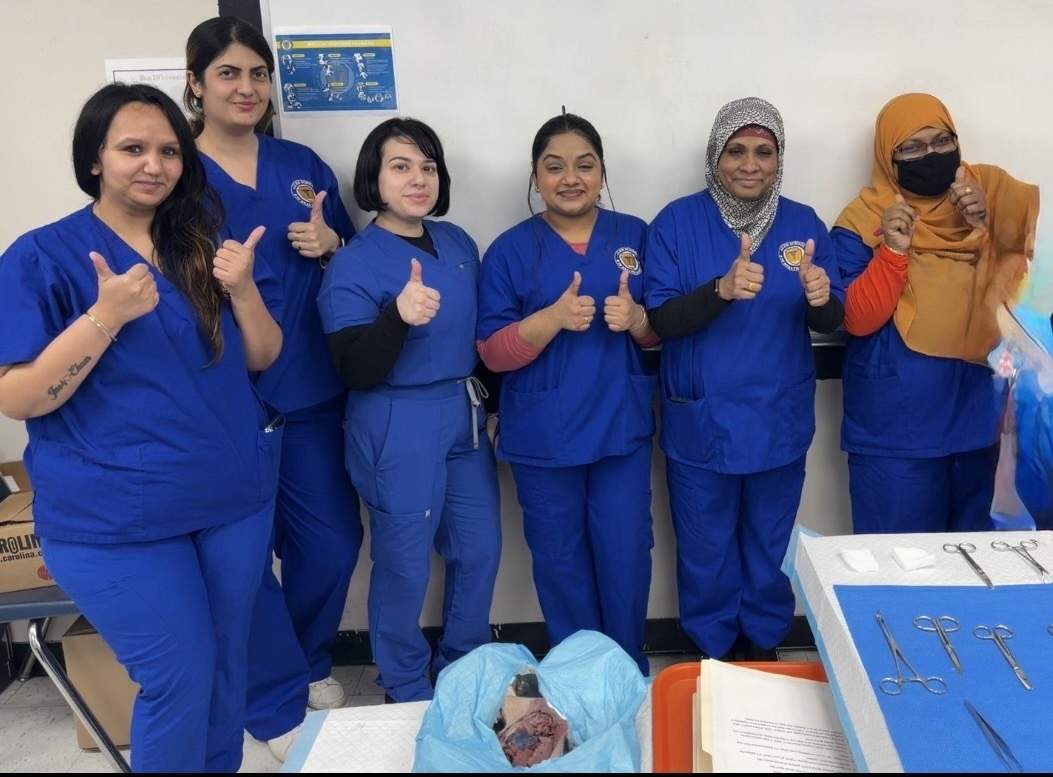
Training programs can help you build the skills and confidence needed to step into a healthcare environment. At the Allen School of Health Sciences, students learn through hands-on experiences guided by instructors who have worked in the field. The focus stays on real-world skills, steady progress, and preparing students for what they’ll actually encounter in clinical settings.
Find Out if a Career as a Medical Assistant Is Right for You
Choosing a career doesn’t require having everything figured out from the start. It often begins with curiosity and a willingness to explore what feels like a good fit.
If you’ve been thinking about a future in healthcare, learning more about medical assisting can help you decide whether it aligns with your goals. Contact The Allen School to learn more about your options and take the next step with confidence.