
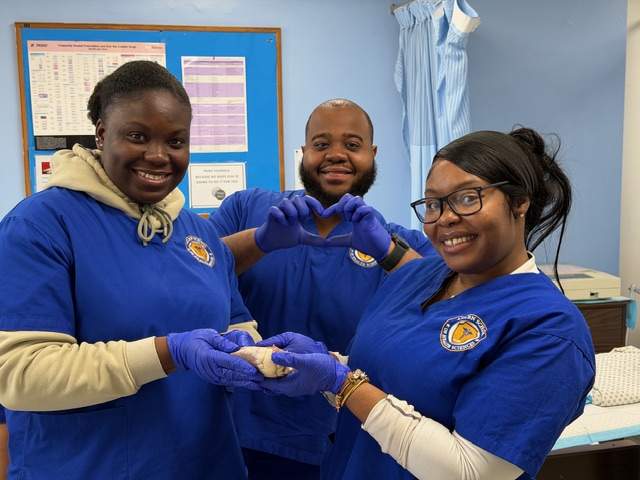
Medical assistants play a crucial role in the healthcare industry, serving as the backbone of medical offices, clinics, and hospitals. Despite their importance, there are several misconceptions about what medical assistants actually do and the value they bring to the healthcare team. In this blog, we’ll debunk some of the most common myths about medical assistants to provide a clearer understanding of their role.
Myth 1: Medical Assistants Are Just Secretaries.
One of the most prevalent myths is that medical assistants primarily perform secretarial duties, such as answering phones and filing paperwork. While administrative tasks are a part of the job, medical assistants are trained healthcare professionals with clinical responsibilities. They assist with patient exams, conduct lab tests, and maintain medical records. Their role encompasses both administrative and clinical responsibilities, making them vital to patient care.
Myth 2: You Don’t Need Any Training to Be a Medical Assistant.
Another misconception is that becoming a medical assistant is easy and doesn’t require formal training. In reality, many medical assistants complete accredited programs, obtaining certifications that validate their skills and knowledge. These programs cover important areas such as anatomy, medical terminology, and clinical procedures, ensuring that medical assistants are well-equipped to provide quality care.
Myth 3: Medical Assistants Can Work Independently Like Doctors or Nurses.
Many people assume that medical assistants can perform the same tasks as doctors or nurses. However, this is not true. Medical assistants work under the supervision of healthcare providers and do not diagnose patients or prescribe medications. Their role is to assist in patient care and streamline office operations, but they must always operate within the guidelines set by licensed professionals.
Myth 4: All Medical Assistants Perform the Same Tasks.
Not all medical assistants have the same responsibilities. Many specialize in specific areas of healthcare, such as pediatrics, geriatrics, or dermatology, which influence their day-to-day tasks. Some focus more on administrative duties, while others may lean heavily into clinical work. The diversity in roles means that skill sets and experiences vary widely among medical assistants.
Myth 5: The Job Market for Medical Assistants Is Saturated.
Some believe that the job market for medical assistants is oversaturated and finding a job is difficult. However, the demand for medical assistants is steadily growing. According to the U.S. Bureau of Labor Statistics, employment for medical assistants is projected to grow much faster than average due to an aging population and an increased emphasis on preventive care. https://www.bls.gov/ooh/healthcare/medical-assistants.htmThis growth suggests plenty of opportunities for those entering the field.
Myth 6: Medical Assistants Don’t Have Advancement Opportunities.
Another common myth is that medical assistants are stuck in entry-level positions with no room for career advancement. In fact, many medical assistants pursue further education and training to advance their careers. They can specialize, move into supervisory roles, or even transition into nursing or healthcare administration. Professional development is a viable path for those who want to grow in their careers. Part of a medical assistant’s professional development can be to become a Registered Medical assistant (RMA). This requires an exam from Americal Medical Technologist (AMT). To become an RMA, candidates most graduate from an accredited program, complete a hybrid program, finish formal military training, or have significant work experience in the field. The Allen School of Health Sciences can lead the way and have you ready to take the RMA once you graduate from our medical assistant program.
Myth 7: Medical Assistants Work Only in Doctors’ Offices.
While many medical assistants do work in physicians’ offices, this is not their only employment avenue. They can be found in various healthcare settings, including hospitals, outpatient care centers, and specialty clinics. Their versatility allows them to adapt to different environments, making them valuable assets in any healthcare facility.
Understanding the common myths surrounding medical assistants is crucial in recognizing their invaluable contributions to healthcare. By clarifying these misconceptions, we can better appreciate the skills and knowledge that medical assistants bring to the medical team. As the healthcare landscape continues to evolve, the role of medical assistants will remain essential in providing quality patient care and supporting healthcare operations. If you are currently in the healthcare field, attending college or just have a passion for healthcare, the Allen School of Health Sciences offers a hybrid medical assistant program combining online interactive learning with hands-on training in a clinical classroom. To learn more, contact the Allen School today! www.allenschool.edu