
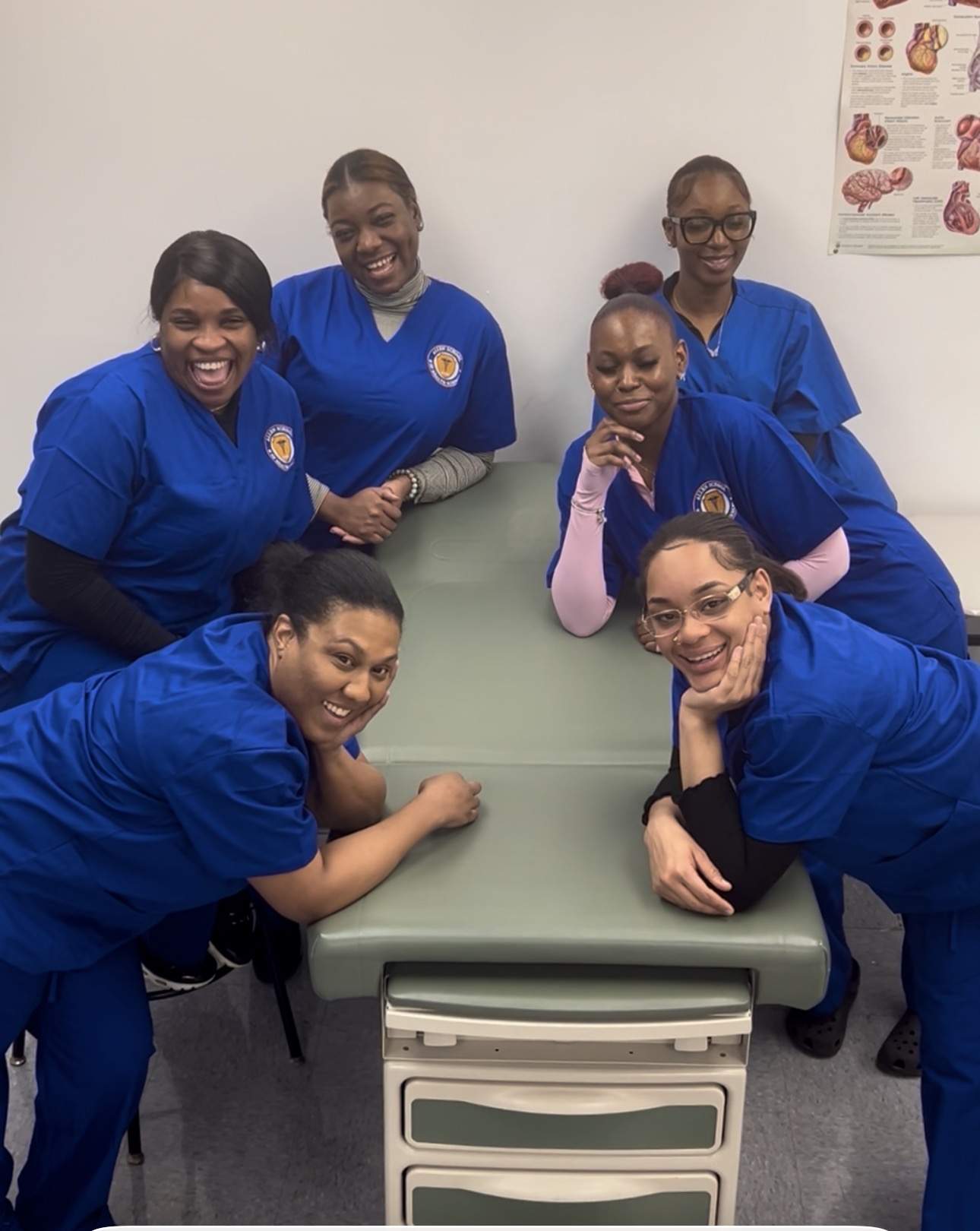
The Best Places to Work as a Medical Assistant Graduate
Graduating as a medical assistant marks the beginning of an exciting and rewarding career in healthcare. With training that spans both clinical and administrative duties, medical assistants are essential to the smooth operation of healthcare facilities. The versatility of this role opens doors to a variety of workplaces, each offering unique experiences and opportunities for growth.
Hospitals
Hospitals are among the most dynamic and demanding environments for medical assistants. They provide exposure to a wide range of medical specialties, from pediatrics to cardiology and emergency medicine. Working in a hospital allows new graduates to gain direct experience with diverse patient populations and advanced medical technologies.
Benefits:
- Opportunities for specialization and career advancement.
- Competitive pay and benefits.
- Exposure to multiple departments and medical procedures.
Outpatient Clinics
Outpatient clinics, including urgent care centers and specialty clinics, are ideal for medical assistants who prefer a structured schedule and a steady workflow. These facilities focus on non-emergency care, allowing for more consistent hours and meaningful patient interactions.
Benefits:
- Predictable work hours.
- Strong patient relationships.
- Opportunities to develop expertise in specific medical areas.
Private Physician Offices
Private practices are one of the most common workplaces for medical assistants. These offices offer a close-knit environment where new graduates can work directly with physicians and nurses, gaining valuable mentorship and experience.
Benefits:
- Personalized training and guidance.
- Stable work hours.
- Consistent patient base and supportive team environment.
Community Health Centers
Community health centers serve diverse populations and provide essential healthcare services to underserved communities. Medical assistants in these settings often perform a wide range of tasks, from patient intake to assisting with minor procedures, making it an excellent place to build comprehensive skills.
Benefits:
- Meaningful work that supports community health.
- Broad skill development.
- Opportunities to work with diverse patient populations.
Specialty Practices
Specialty practices such as dermatology, cardiology, orthopedics, and obstetrics/gynecology offer focused experience in specific areas of medicine. Graduates interested in a particular field can gain in-depth knowledge and develop specialized skills.
Benefits:
- Expertise in a chosen specialty.
- Long-term career growth within a focused field.
- Consistent patient types and procedures.
Long-Term Care and Rehabilitation Facilities
Long-term care and rehabilitation centers provide ongoing medical support to patients recovering from illness or living with chronic conditions. Medical assistants in these facilities often work closely with nurses and therapists to monitor patient progress and provide compassionate care.
Benefits:
- Strong, lasting patient relationships.
- Experience in chronic care and rehabilitation.
- Opportunities to develop empathy and communication skills.
Government and Military Healthcare Facilities
Government-run hospitals, veterans’ clinics, and military healthcare centers offer stable employment and excellent benefits. These institutions value professionalism, discipline, and a commitment to service, making them ideal for those seeking long-term career stability.
Benefits:
- Job security and comprehensive benefits.
- Opportunities for advancement within government systems.
- Exposure to structured healthcare operations.
Educational Institutions and Corporate Clinics
Some medical assistants find fulfilling careers in school health offices or corporate wellness clinics. These roles focus on preventive care, health education, and employee wellness programs, offering a different pace from traditional clinical settings.
Benefits:
- Regular daytime hours.
- Focus on preventive and wellness care.
- Opportunities to educate and promote healthy lifestyles.
The best place to work as a medical assistant graduate depends on individual goals, interests, and preferred work environments. Whether in a bustling hospital, a community clinic, or a specialized practice, each setting offers unique opportunities for growth and fulfillment. Exploring different workplaces early in a career helps medical assistants discover where their skills and passions align best, paving the way for a successful and meaningful journey in healthcare.
The Allen School of Health Sciences has been in the community for over 60 years. We have developed relationships with valued employers throughout New York City and beyond. If you’re interested in learning more about the Allen School and our valued employers who support our medical assistant students and graduates or have questions about the healthcare field. Contact the Allen School today! www.allenschool.edu