
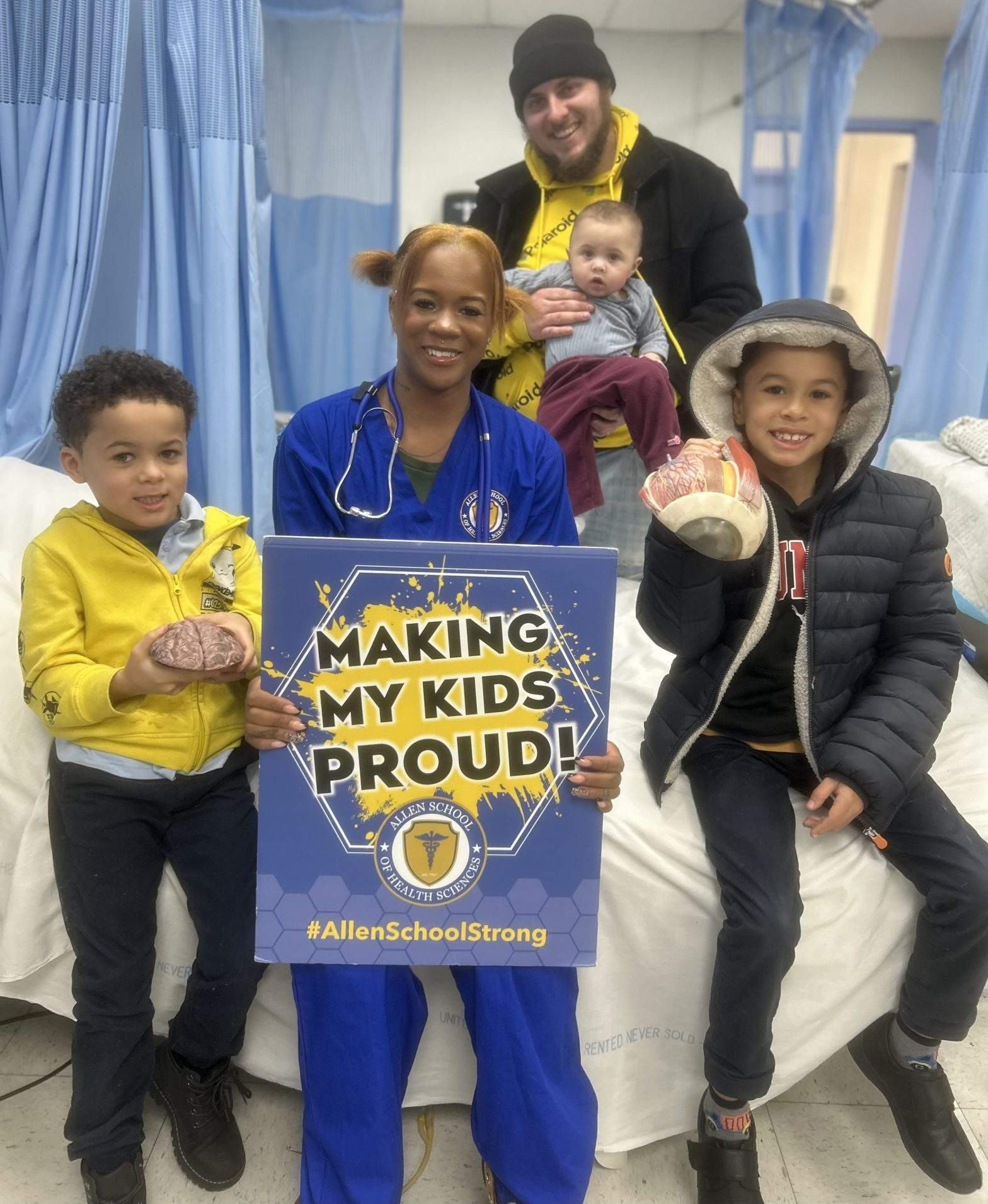
An internship is often one of the most important parts of medical assistant training. It’s where classroom learning starts to connect with real patient care, daily workflows, and the pace of a working healthcare environment.
For many students, this experience helps clarify what the role actually looks like day to day. It also builds confidence, strengthens practical skills, and creates opportunities to connect with professionals already working in the field. Over time, those experiences can play a meaningful role in shaping your direction within a healthcare career.
Why Your Internship Matters
A medical assistant internship gives you the chance to step into a clinical environment while still having the support of learning behind you. You’re not expected to know everything, but you are expected to observe and grow.
This experience helps bridge the gap between training and working. You begin to understand how a clinic operates, how teams communicate, and how patient care flows from one step to the next. It also gives you a clearer sense of what you enjoy and where you may want to focus as you move forward in your career.
For many students, the internship is where confidence starts to take shape.
Skills You Build in a Medical Assistant Internship
Internships are where technical knowledge turns into practical ability. As you work alongside healthcare professionals, you begin developing skills that are difficult to fully learn in a classroom setting.
Some of the most important skills students build include:
- Patient interaction: Learning how to greet, guide, and communicate with patients in real time helps build confidence and professionalism.
- Clinical support skills: Tasks like taking vital signs, preparing rooms, or assisting during procedures become more natural with repetition.
- Time management: Clinics move quickly, and learning how to stay organized while balancing multiple responsibilities is key.
- Attention to detail: Accurate documentation and careful observation are essential parts of patient care.
- Professional communication: Working with physicians, nurses, and staff helps you learn how to communicate clearly within a team.
These skills develop gradually, and each day brings new opportunities to improve. Over time, what once required careful thought starts to feel more instinctive.
Networking and Professional Growth
One of the less obvious benefits of an internship is the opportunity to build relationships. You’re working alongside people who are already established in the field, and those connections can have a lasting impact.
Supervisors and coworkers may become mentors, references, or even future employers. The way you show up, including your reliability, attitude, and willingness to learn, often leaves a stronger impression than any resume alone.
This part of the experience supports long-term career development, helping you build a professional network while you’re still early in your journey.
Turning an Internship Into Employment
For some students, the transition from internship to employment happens naturally. When a clinic sees how you work, how you interact with patients, and how you fit into the team, it can open doors.
Even when a job offer isn’t immediate, the experience itself strengthens your position as a candidate. You leave with real-world experience, a better understanding of expectations, and references who can speak to your abilities.
Approaching your internship with intention can make a difference. Showing up on time, asking questions, and being open to feedback all contribute to how you’re perceived and remembered.
Next Steps for Career Success
If you’re considering medical assisting, it helps to view the internship as more than a requirement. It’s a chance to step into your future role and begin building the habits that support long-term success.
A few ways to make the most of your experience include:
- Treat each day as a learning opportunity, even when tasks feel routine
- Stay curious and ask questions when you’re unsure
- Pay attention to how experienced professionals handle different situations
- Take note of the environments and specialties that interest you most
At the Allen School of Health Sciences, students are guided through this transition with a focus on real-world preparation. Through hands-on MA training and support from instructors and career services, students gain the tools needed to step into clinical environments with confidence.
Take the Next Step Toward Your Future
Your internship is where training starts to take shape in a real clinical setting, helping you build confidence, gain experience, and better understand your role. It’s also where many students begin to see what’s possible for their future in healthcare.
If you’re ready to explore what your path could look like, the Allen School team is here to help you move forward. Learning more about training, internship opportunities, and career pathways can help you take that next step with confidence.
Contact us for more information about our MA training program today!