Healthcare organizations rely on strong leadership, clear processes, and well-trained professionals to operate effectively. A healthcare management program is designed to prepare students for the behind-the-scenes roles that keep clinics, hospitals, and medical offices running smoothly.
These programs focus on a mix of business knowledge, healthcare systems, and leadership skills. Whether you’re interested in supervising teams, managing daily operations, or supporting patient services at an organizational level, the curriculum is built to help you understand how healthcare environments function as a whole.
Core Curriculum in Healthcare Management
Most programs begin with a foundation that blends healthcare knowledge with business principles. Students are introduced to how medical facilities operate, including patient flow, administrative processes, and the structure of healthcare systems.
Coursework often covers topics such as medical terminology, billing and coding basics, and the use of electronic health records. You may also learn about scheduling systems, insurance processes, and how information moves between departments.
In addition to these practical topics, students are typically introduced to data management and reporting. Understanding how to track performance, manage records, and interpret basic data is an important part of modern healthcare environments.
This combination of administrative and operational knowledge helps students build a strong base for more advanced responsibilities.
Leadership and Operational Skills
As students move through a program, there’s often a greater focus on leadership and day-to-day operations. These skills are essential for anyone interested in managing teams or overseeing workflow in a healthcare setting.
You’ll learn how to coordinate staff schedules, support communication between departments, and help maintain an organized, efficient environment. Problem-solving becomes a key part of the learning process, especially when it comes to handling scheduling conflicts, patient concerns, or workflow challenges.
Programs also introduce concepts tied to healthcare leadership, such as decision-making, team management, and accountability. Even if you’re not stepping into a leadership role right away, understanding how effective teams operate can make a meaningful difference in your day-to-day work.
Healthcare Policy and Ethics
Healthcare is shaped by a range of laws, regulations, and ethical considerations. A strong understanding of these areas helps ensure that patients are treated fairly and that organizations operate within legal guidelines.
Students typically learn about patient privacy laws, including HIPAA regulations, and how to handle sensitive information responsibly. You may also explore topics like informed consent, patient rights, and ethical decision-making in complex situations.
Programs often introduce broader policy topics as well, helping students understand how healthcare systems are influenced by government regulations and industry standards. This knowledge is especially valuable for those interested in long-term roles within healthcare administration, where compliance and oversight are part of daily responsibilities.
Career Paths After Graduation
Graduates of healthcare management programs can pursue a variety of roles, depending on their interests and experience. Many start in administrative positions within clinics, hospitals, or specialty practices.
Common entry points include roles such as medical office coordinator, patient services manager, or administrative assistant in a healthcare setting. These positions allow you to apply what you’ve learned while gaining experience in real-world environments.
Over time, there may be opportunities to move into supervisory or management roles. Some individuals choose to specialize in areas like billing, operations, or patient experience, while others continue their education to expand their career options.
The flexibility of this path is one of its strengths. It allows you to grow at your own pace while exploring different areas within the healthcare field.
Next Steps
If you’re considering a career that combines organization, communication, and leadership within a medical setting, exploring a healthcare management path can be a strong starting point.
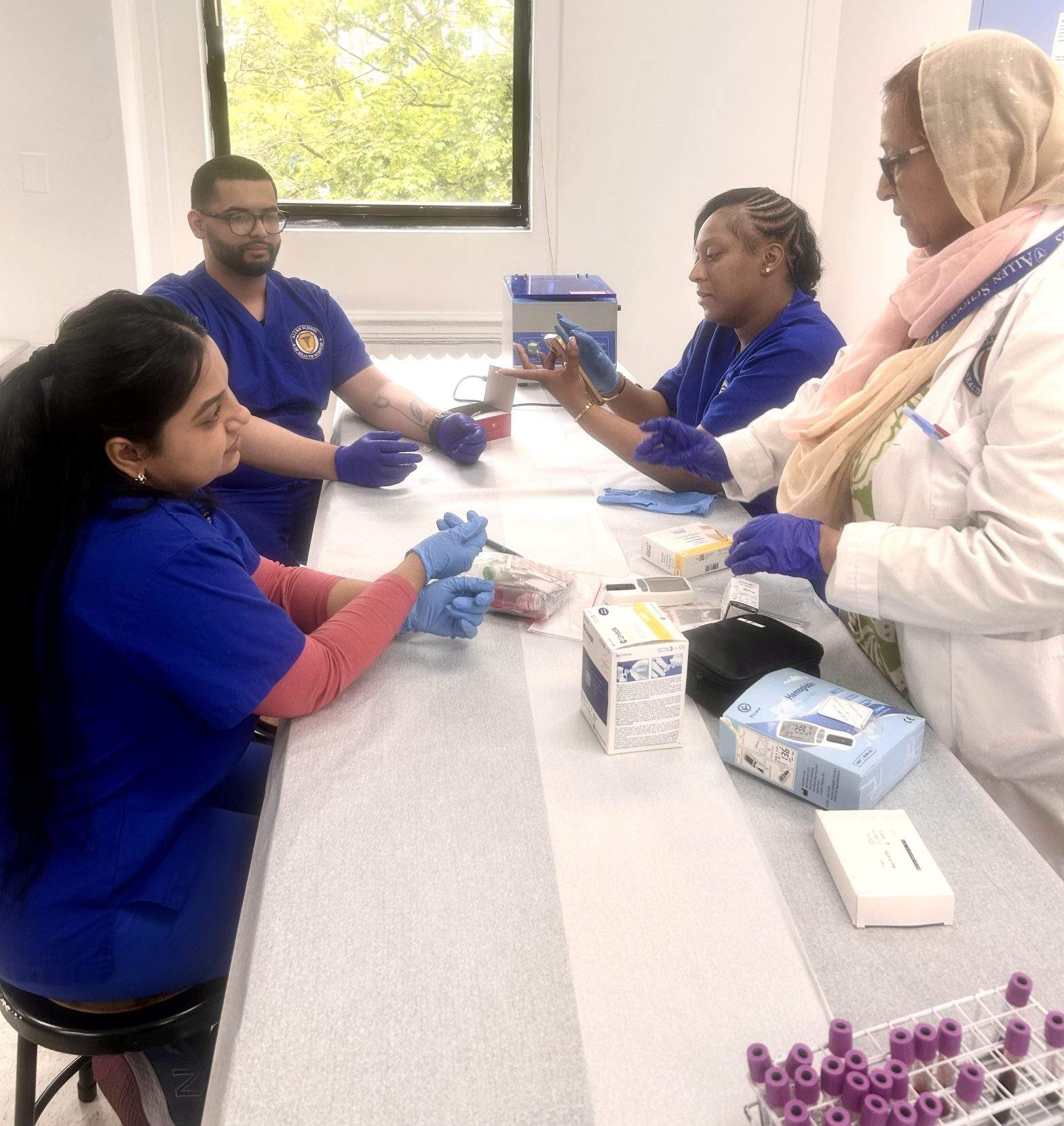
Programs in this field are designed to provide practical, real-world preparation. At Allen School of Health Sciences, students learn through a combination of classroom instruction and hands-on experiences, guided by professionals who understand the day-to-day realities of working in healthcare. Our goal is to take an approach to healthcare education that helps students build both confidence and practical skills.
Taking the next step could be as simple as learning more about program options, speaking with an advisor, or exploring how this path fits into your long-term goals. With the right training and support, you can begin building a career that plays an important role in how healthcare is delivered every day.
Contact the Allen School for more information about our healthcare management training program today!